After Joseph-Charles Marin
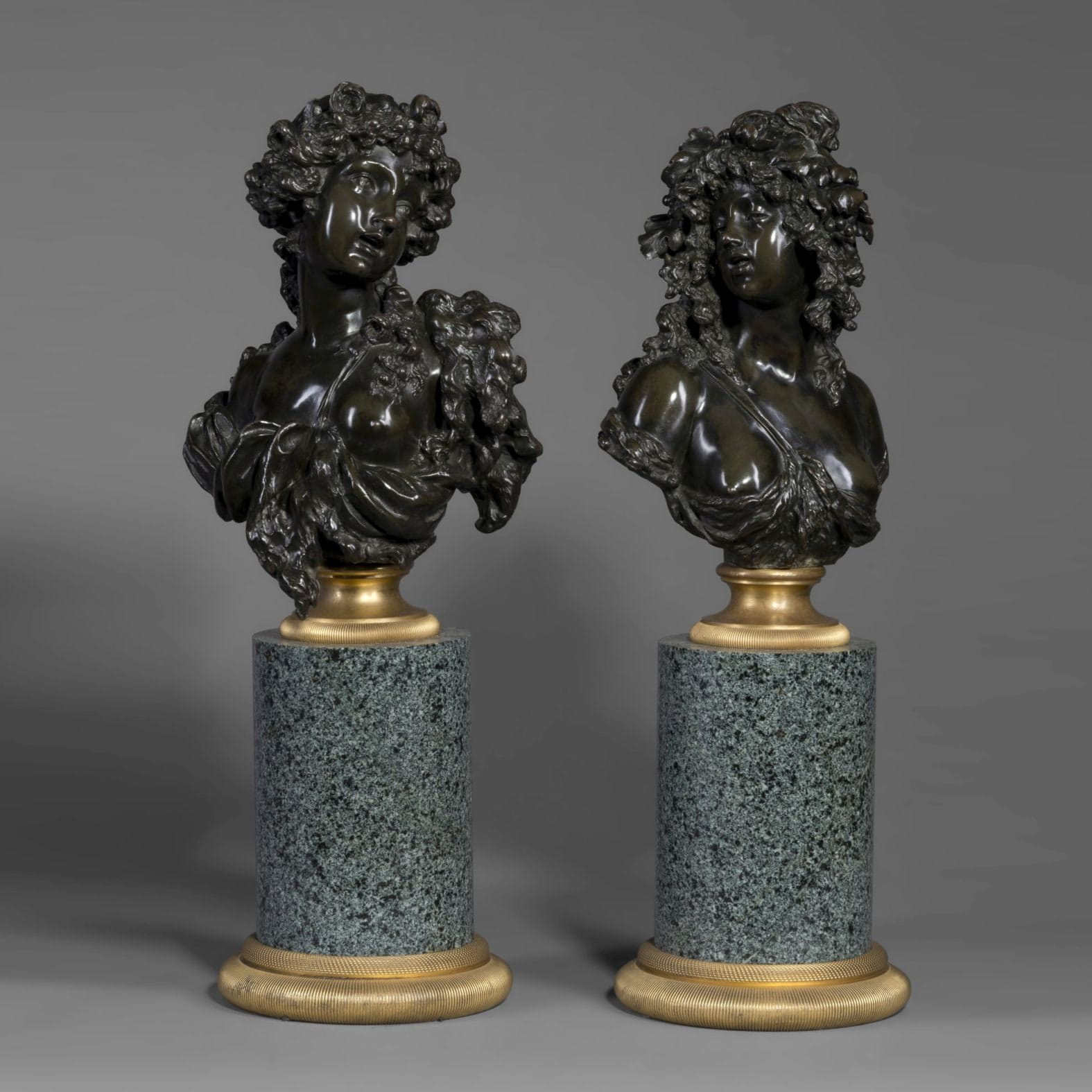
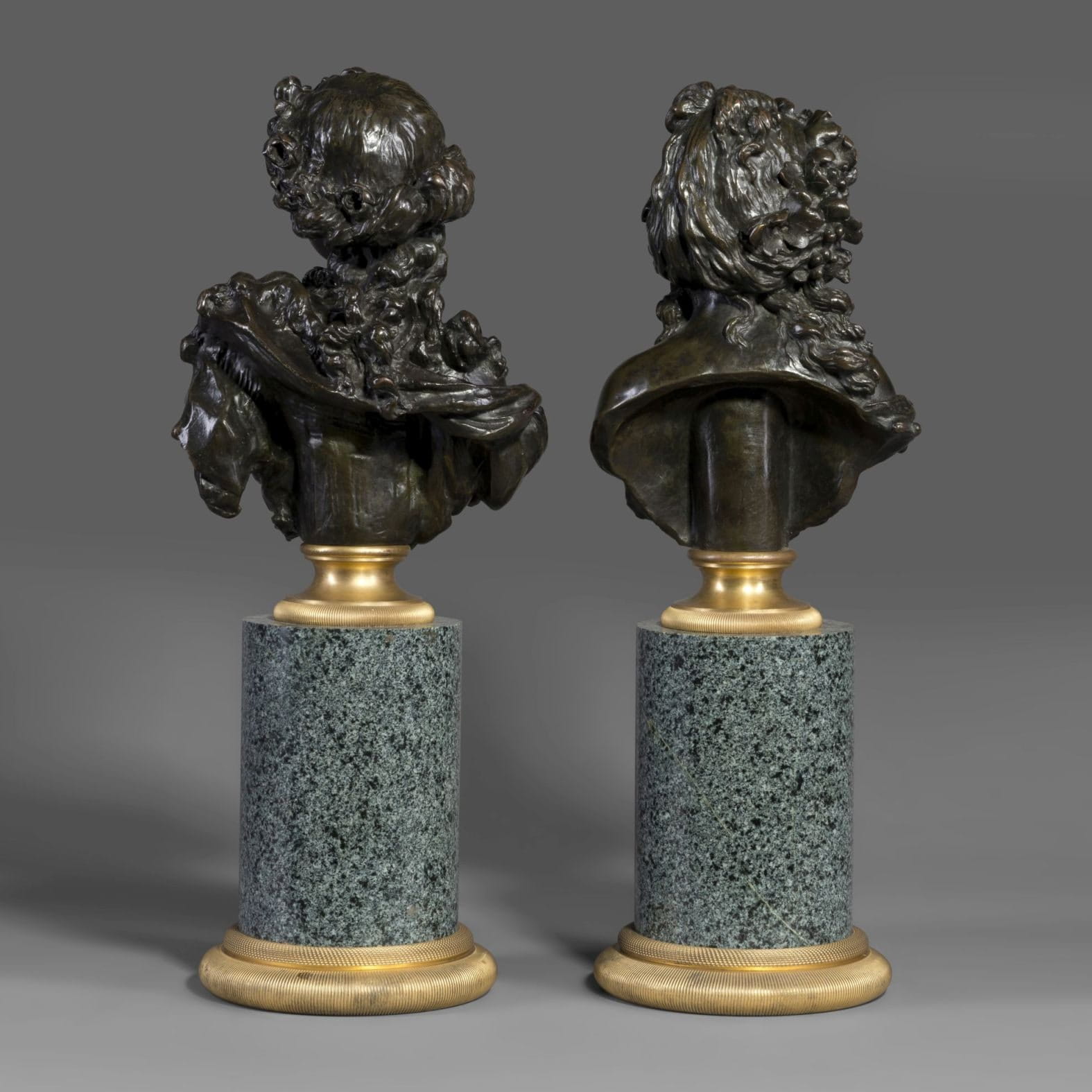
A Pair of Patinated Bronze Busts of Bacchantes
£13,000
A Pair of Patinated Bronze Busts of Bacchantes On Plinths, After Joseph-Charles Marin (1759-1834).Finely modelled and cast, the busts depict young...
Dimensions
Height: 48 cm (19 in)Diameter: 20 cm (8 in)

 Print
PrintDescription
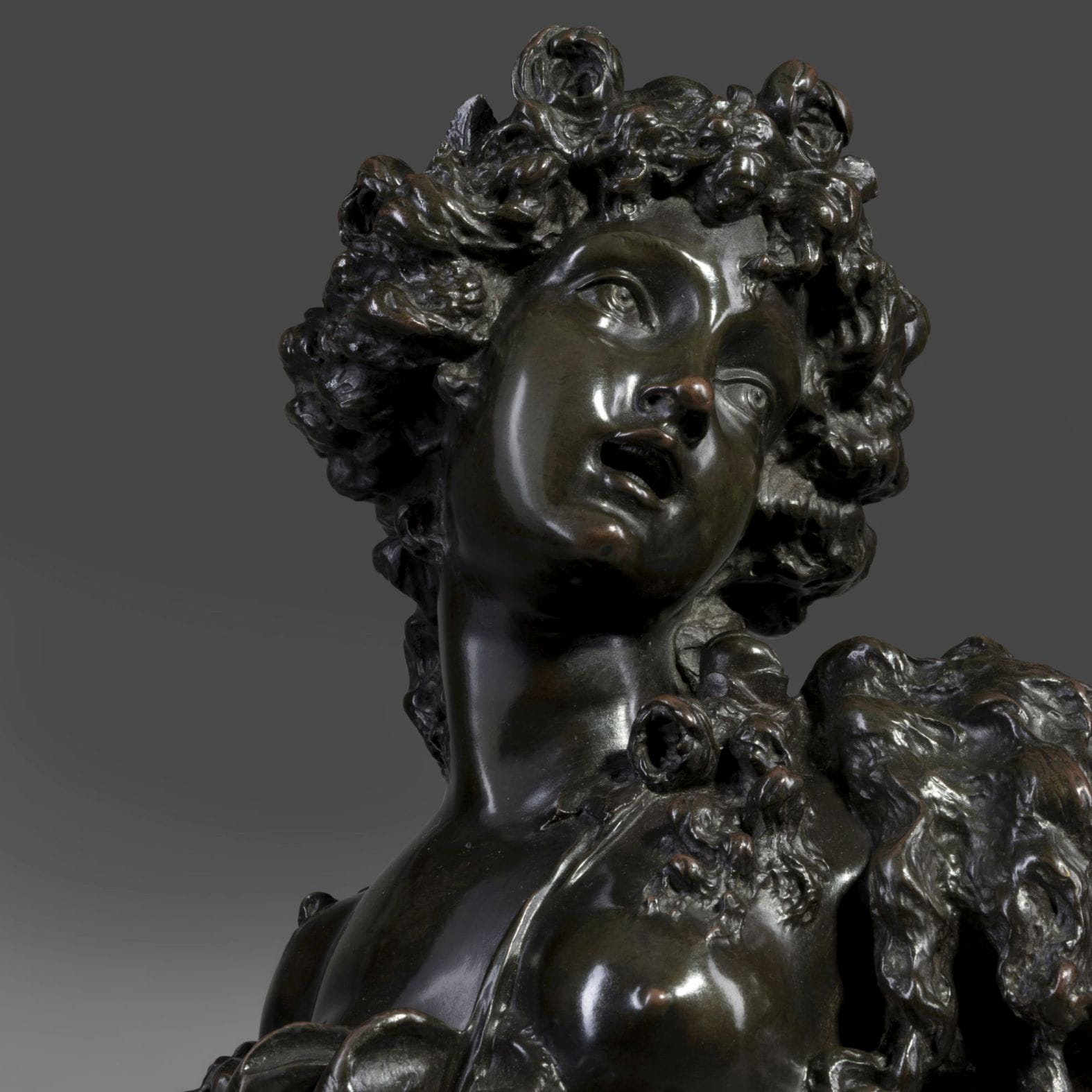
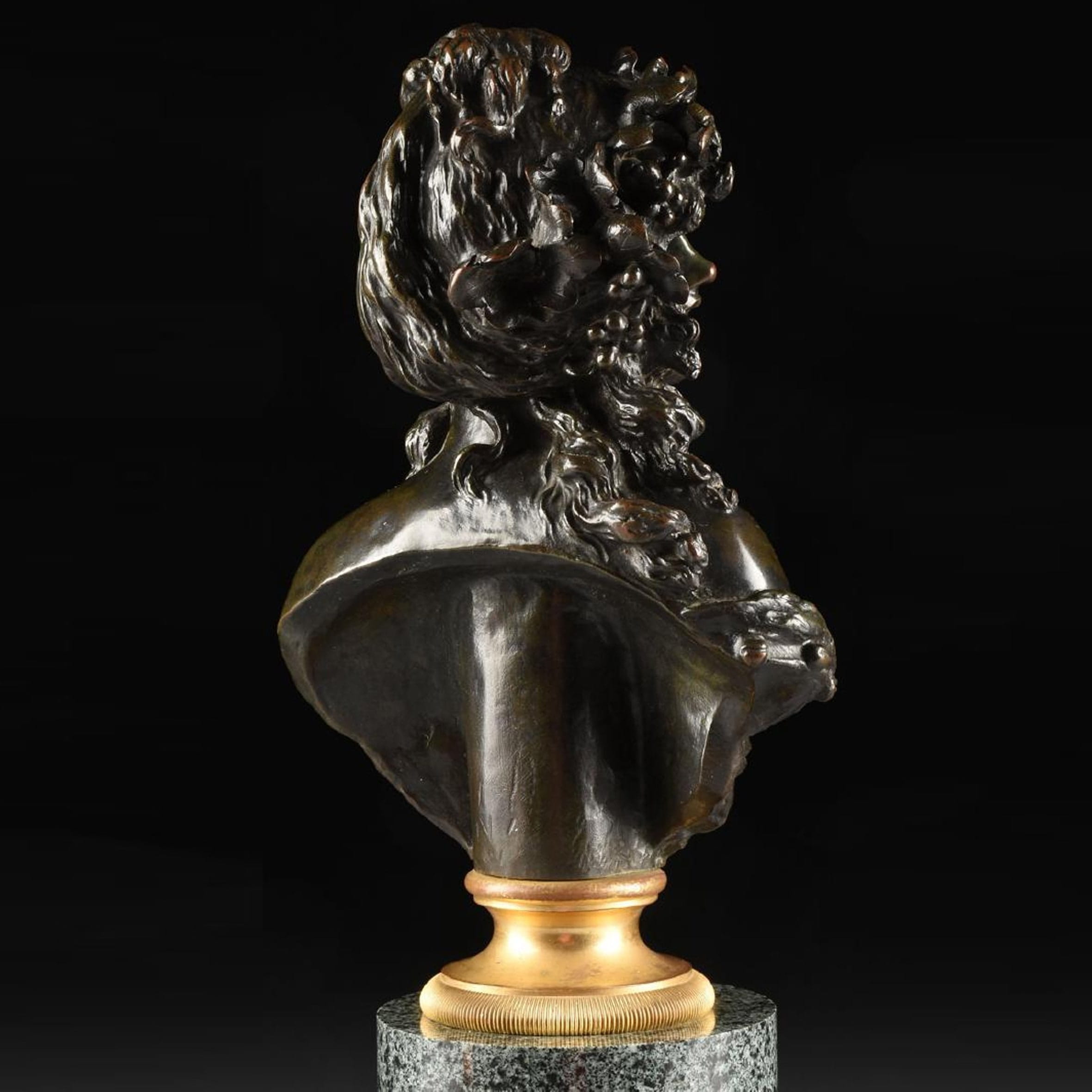
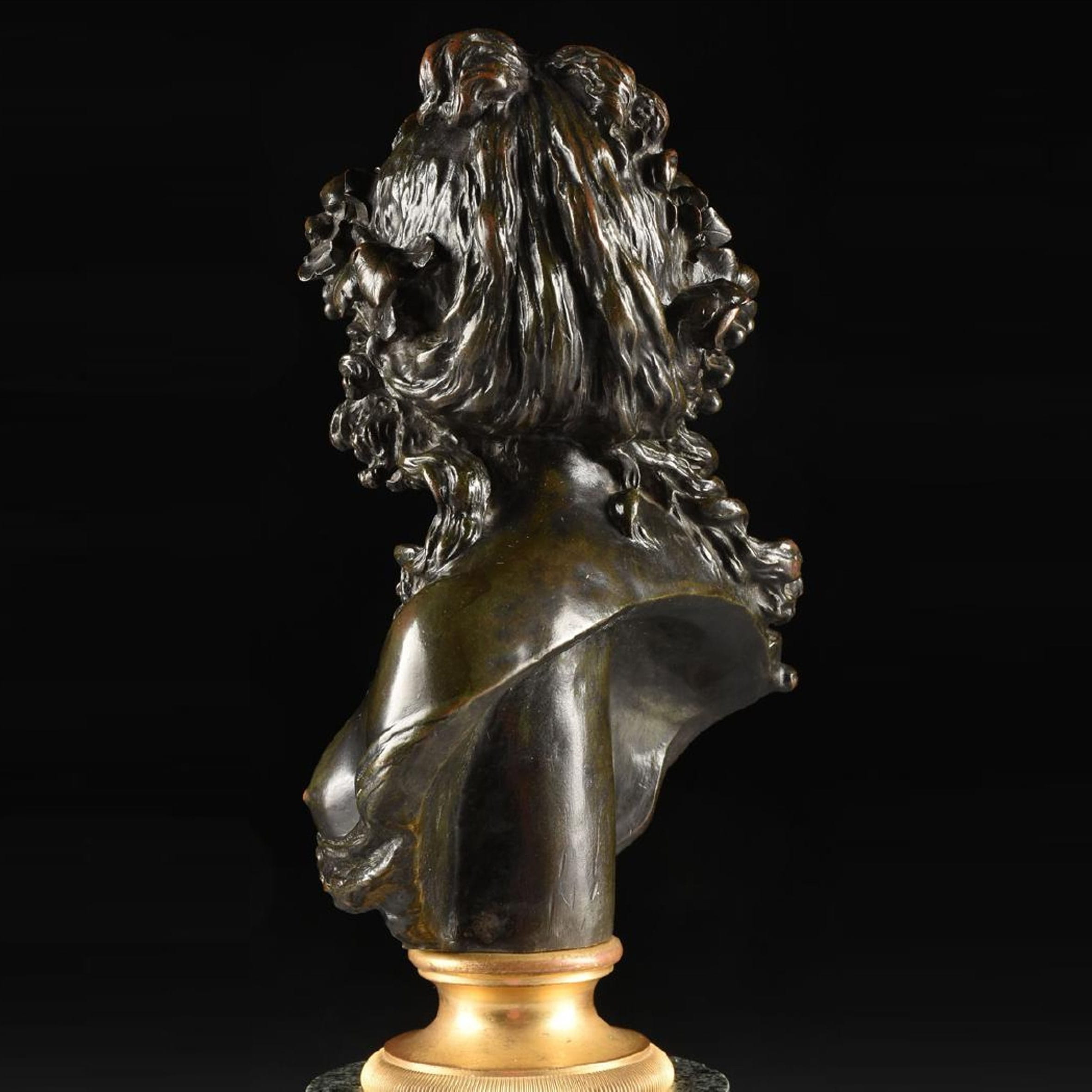
A Pair of Patinated Bronze Busts of Bacchantes On Plinths, After Joseph-Charles Marin (1759-1834).
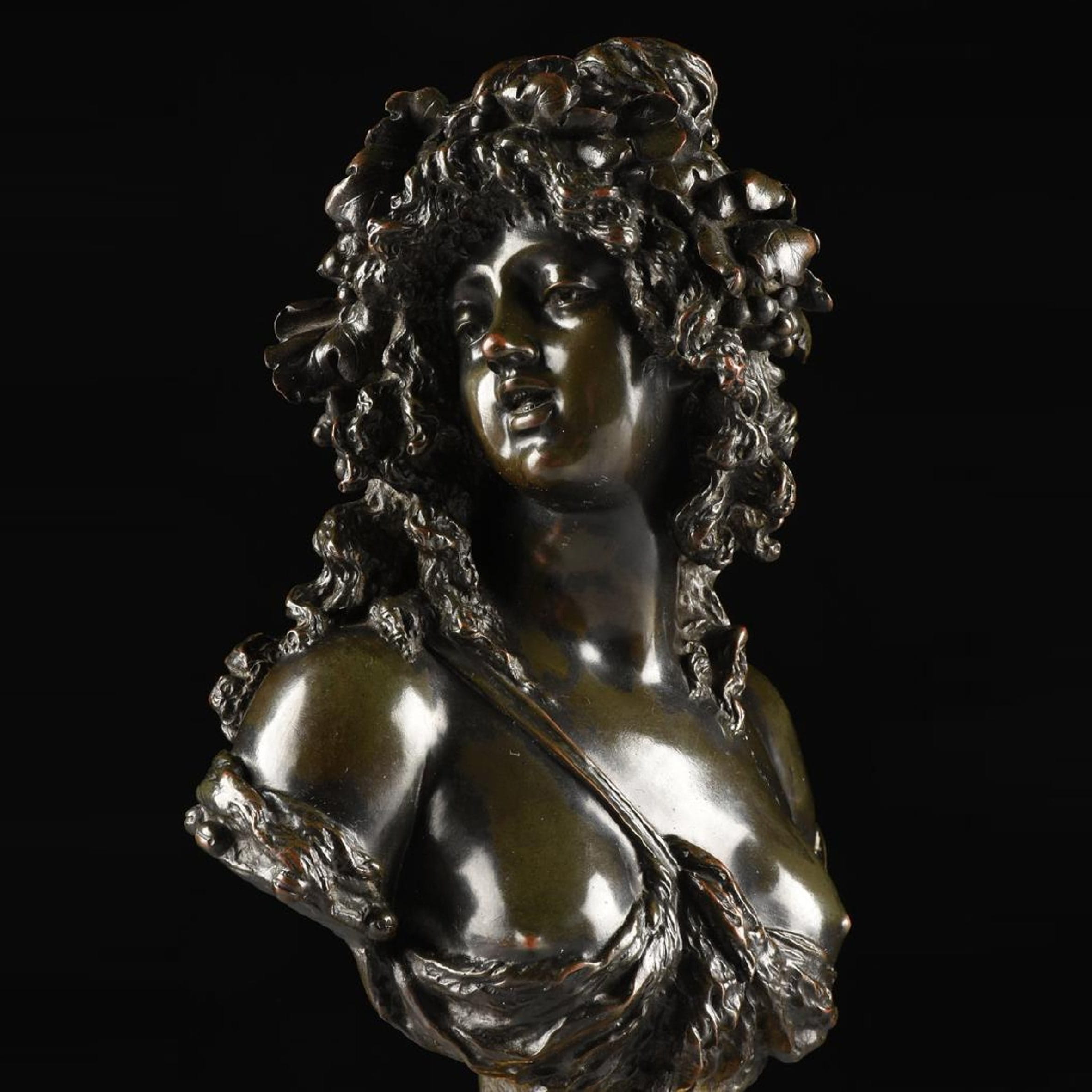
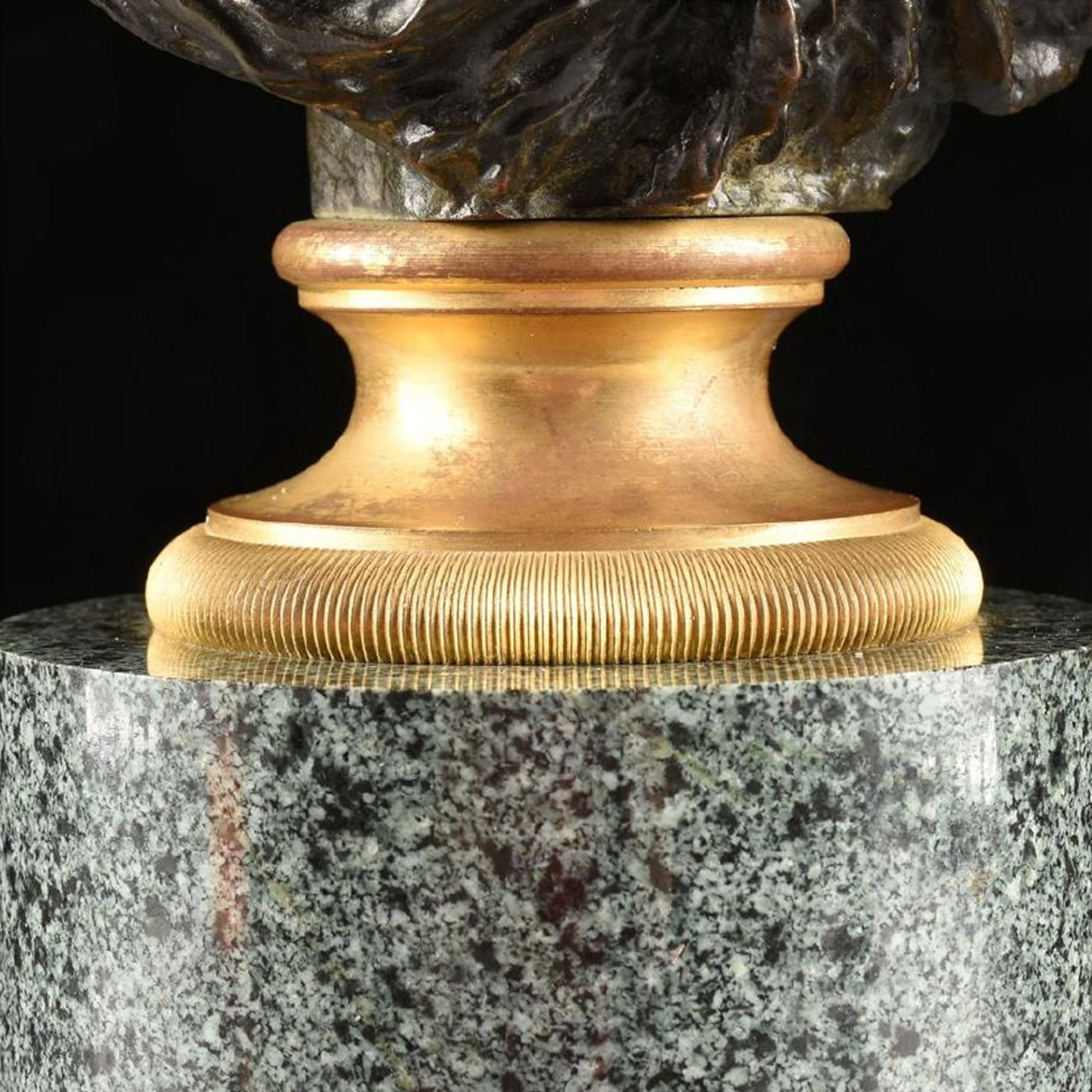
Finely modelled and cast, the busts depict young bacchantes, allegorical of Summer and Autumn; Summer with rose blossom in her hair, Autumn with oak leaves. Each bust is raised on a gilt-bronze socle and a grey granite column.
French, Circa 1890.
These busts are in the style of Claude Michel, called Clodion (1738-1814). More specifically the bust of autumn is directly after a documented example by Clodion’s pupil, Joseph Charles Marin (1759-1834), signed ‘Marin’ and dated 1786 in the V&A Museum London (Acc. No. 890-1882).
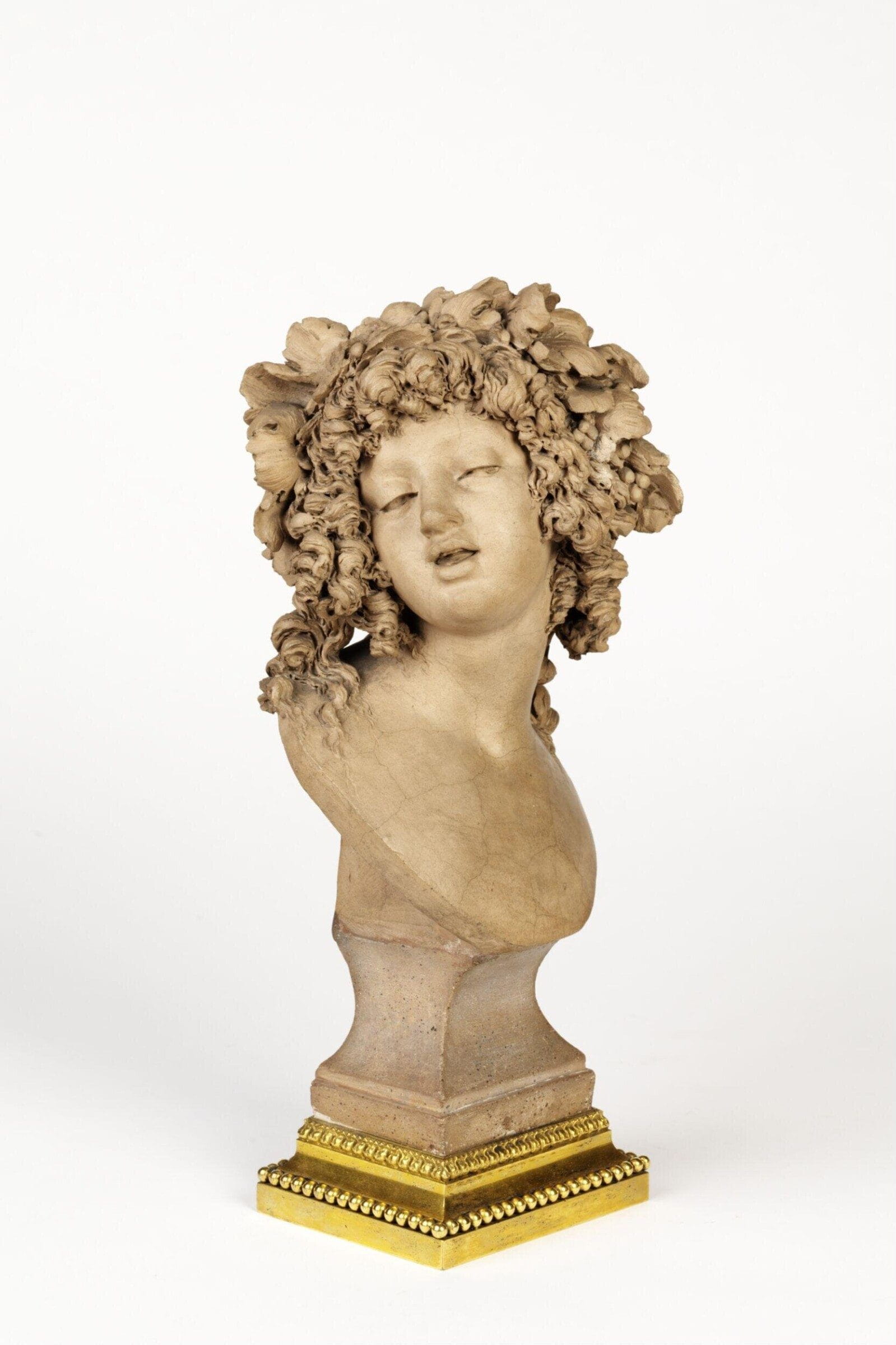
The terracotta model by Joseph Charles Marin, 1786 (Public Domain © Victoria and Albert Museum, London).
Another bronze casting of the bust of Autumn sold at Sotheby’s, New York, 21 January 2011, Lot 491. Clodion and his style was hugely fashionable and much imitated throughout the 19th century.
Bacchantes, handmaidens to Bacchus, the God of wine and fertility, characteristically have wreaths of flowers and fruiting vine in their hair. Enlivened by wine and dance, they wear expressions of elation.
Date
Circa 1890
Origin
France
Medium
Marble, Gilt & Patinated Bronze
Joseph-Charles Marin (1759–1834) was a celebrated French sculptor active during the late eighteenth and early nineteenth centuries.
A pupil of Claude Michel, known as Clodion, Marin initially worked in a refined Rococo manner, producing delicately modeled terracotta figures and groups that reflected the graceful, playful spirit of pre-Revolutionary France. His early oeuvre frequently depicted nymphs, satyrs, and other mythological subjects in lighthearted, animated compositions.
Marin competed several times for the Grand Prix de Sculpture (Prix de Rome) before the Revolution and ultimately secured the prize in 1801 with the bas-relief Caius Gracchus Leaving His Wife Licinia.
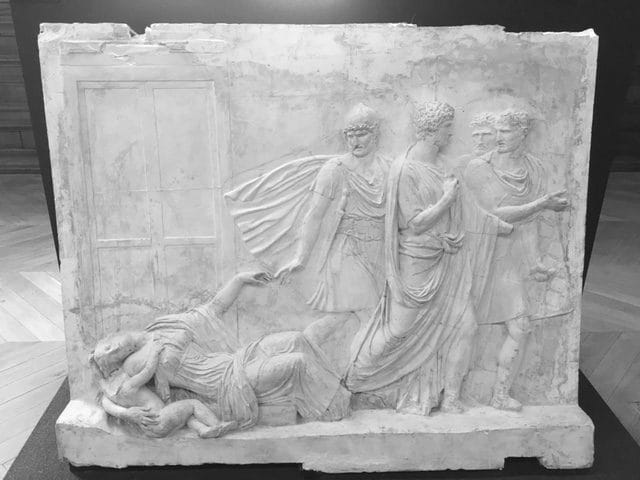
Joseph-Charles Marin, Caïus Gracchus quittant sa femme Licinia, 1801, plâtre, Paris, école nationale supérieure des Beaux-Arts, Public Domain.
Over time, his style evolved in accordance with the emerging Neoclassical aesthetic, adopting more restrained themes and a stricter formal vocabulary. In 1813, he was appointed professor at the École nationale supérieure des beaux-arts de Lyon, succeeding his former teacher Joseph Chinard. Marin’s career bridges the transition from late Rococo elegance to the moral and stylistic rigor of French Neoclassicism.
YOU MAY ALSO LIKE
- POA Read more
 Henri-Émile Allouard
A Pair of Life-Size Statuary Marble Figures Entitled ‘La Bienvenue et Le Bon Accueil’
- £52,000 Add to cart

A Pair of White Statuary Marble Figures of Nymphs Bathing, On Pedestals
- £24,000 Add to cart
 Maison Puiforcat
A Neoclassical Style ‘Percier’ Pattern Vermeil (Silver -Gilt) Canteen by Jean Puiforcat, Paris