Maison Puiforcat
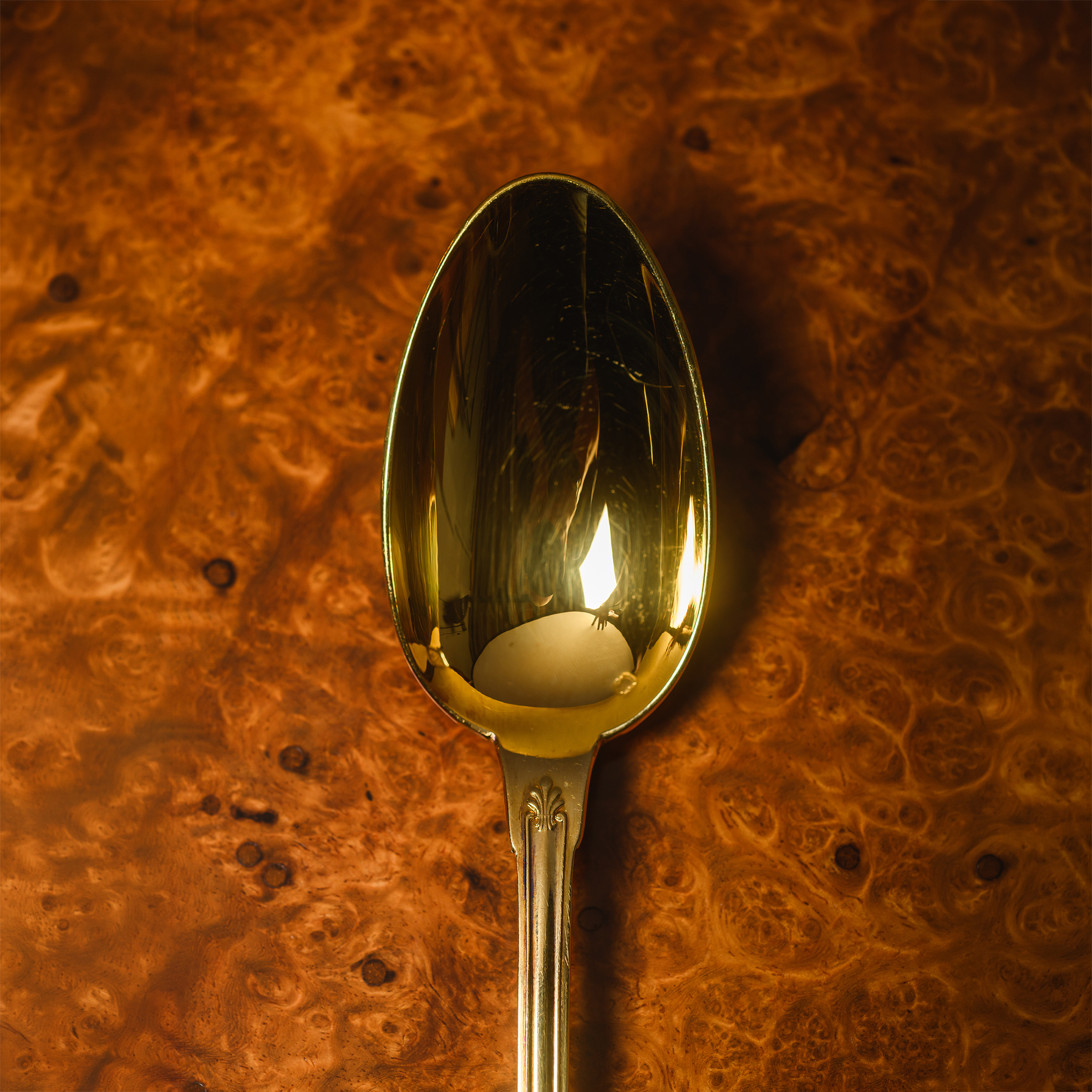
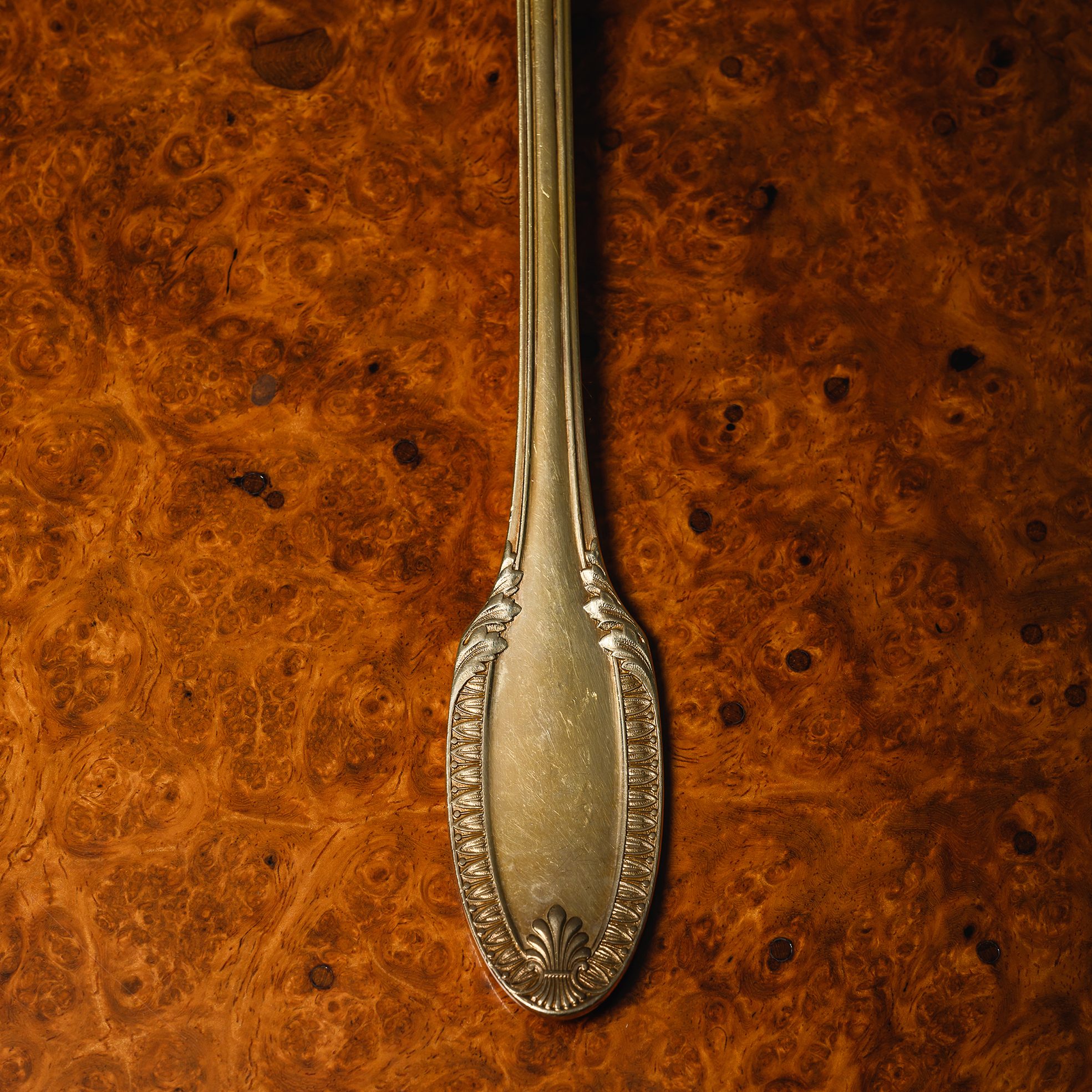
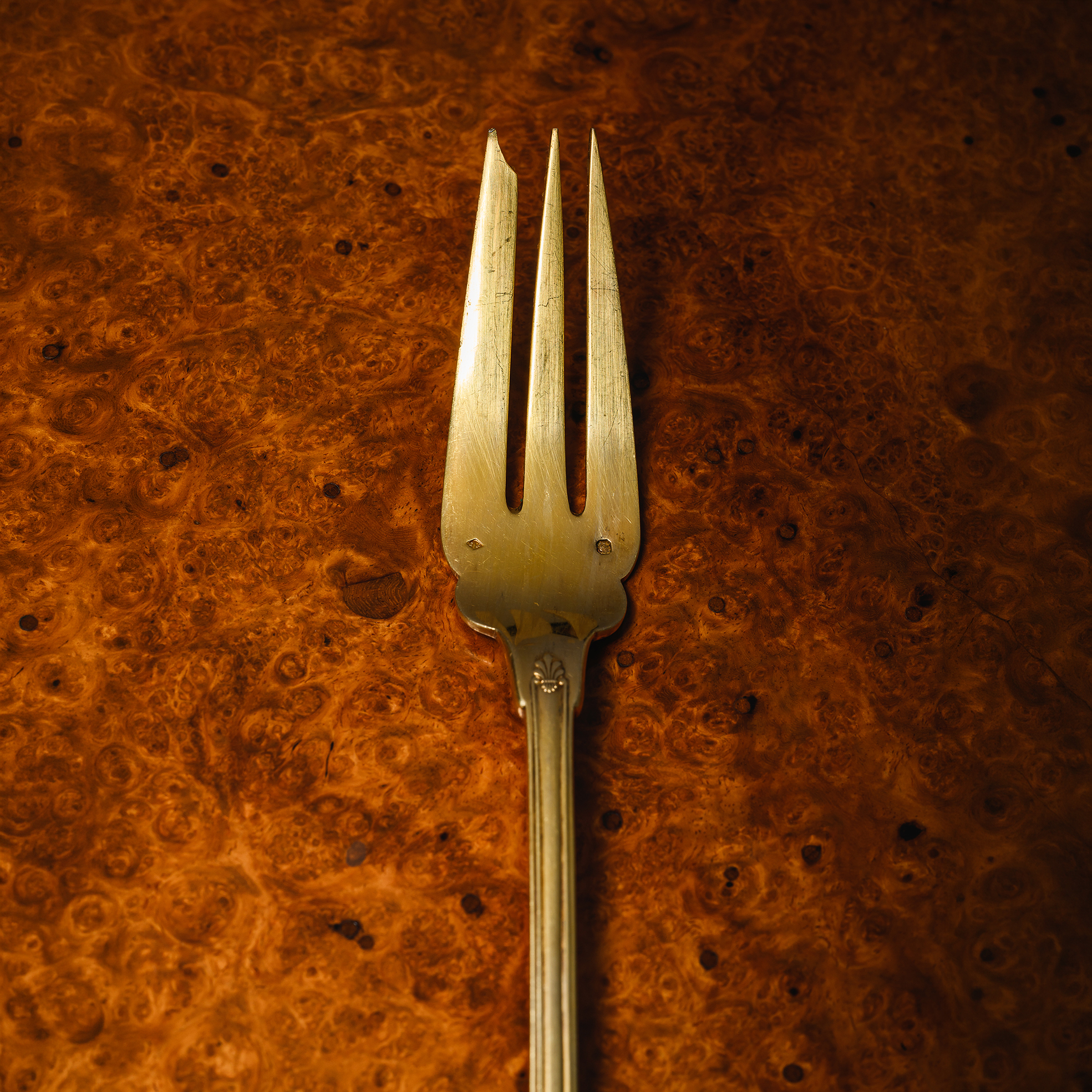
A Neoclassical Style ‘Percier’ Pattern Vermeil (Silver -Gilt) Canteen by Jean Puiforcat, Paris
£24,000
A Neoclassical Style 'Percier' Pattern Vermeil (Silver -Gilt) Canteen by Jean Puiforcat, Paris.Executed in one of the firm’s most celebrated neoclassical...
Dimensions

 Print
PrintDescription
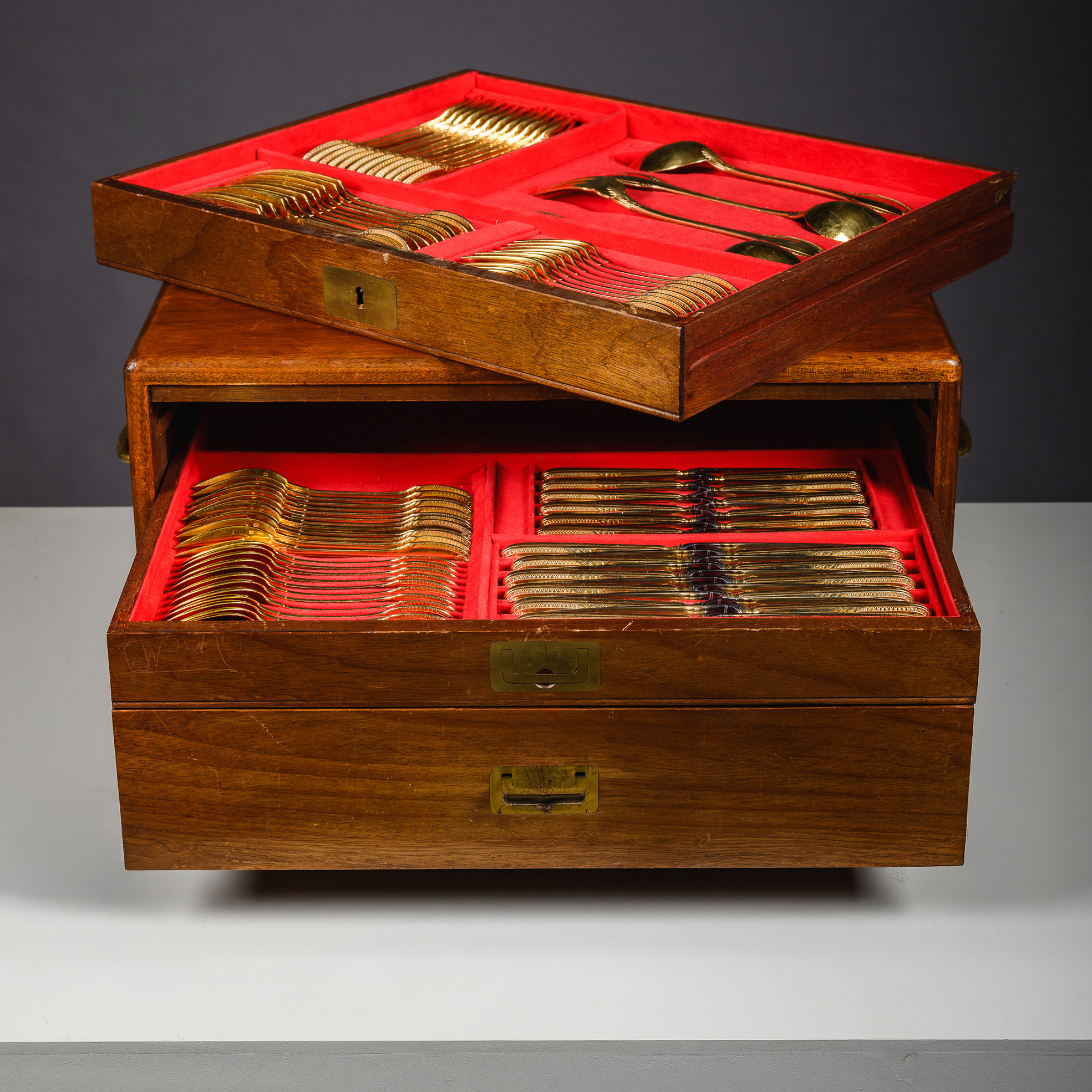
A Neoclassical Style ‘Percier’ Pattern Vermeil (Silver -Gilt) Canteen by Jean Puiforcat, Paris.
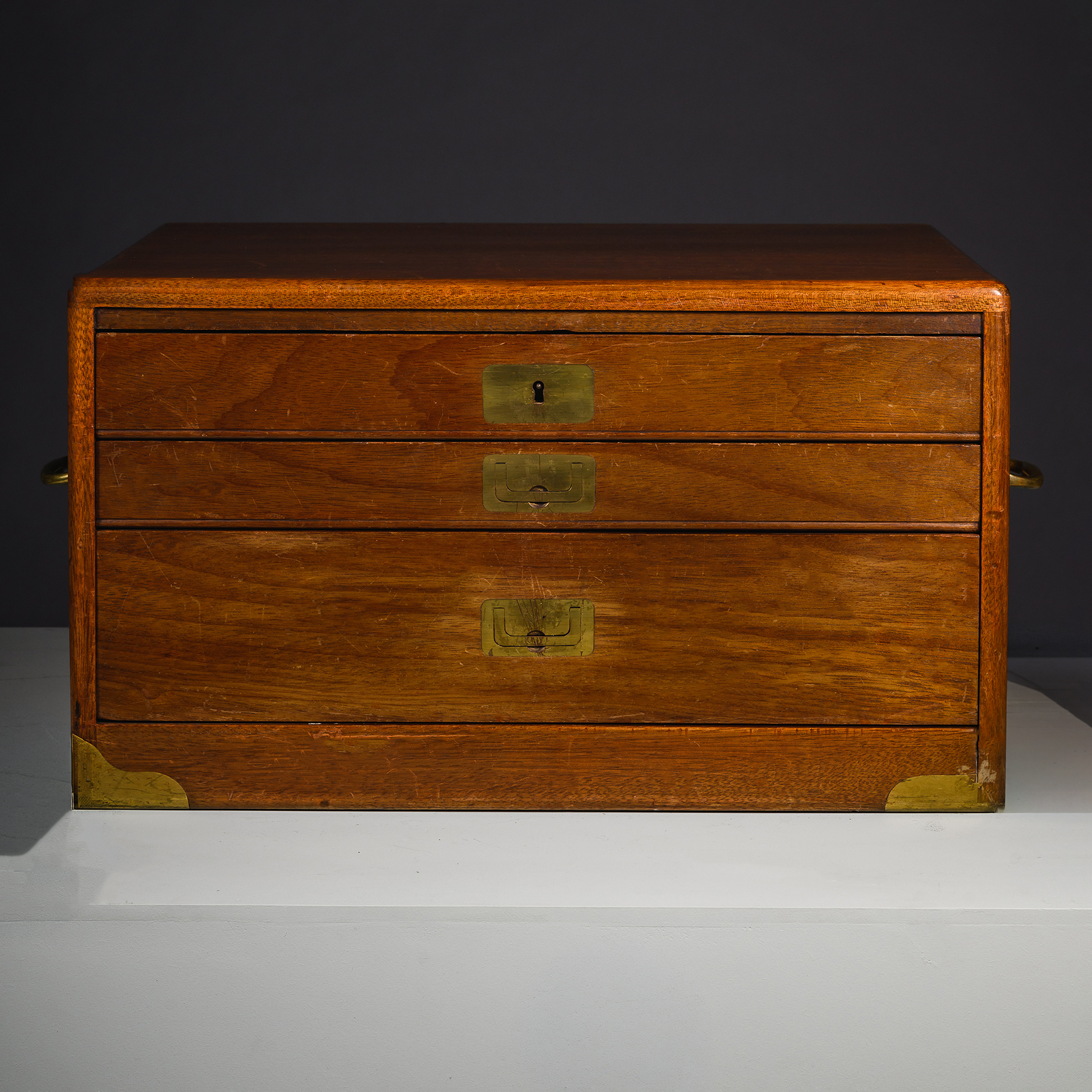
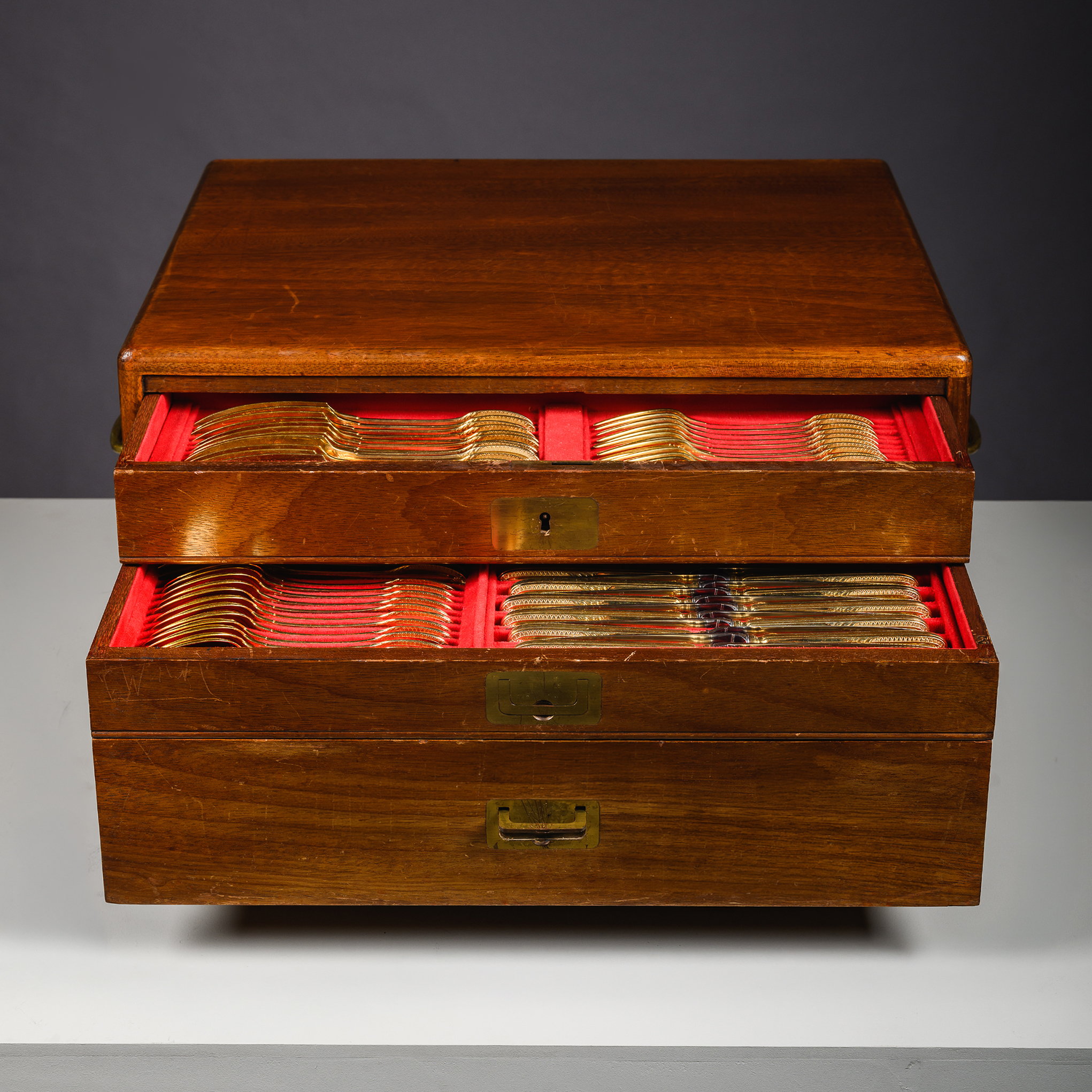
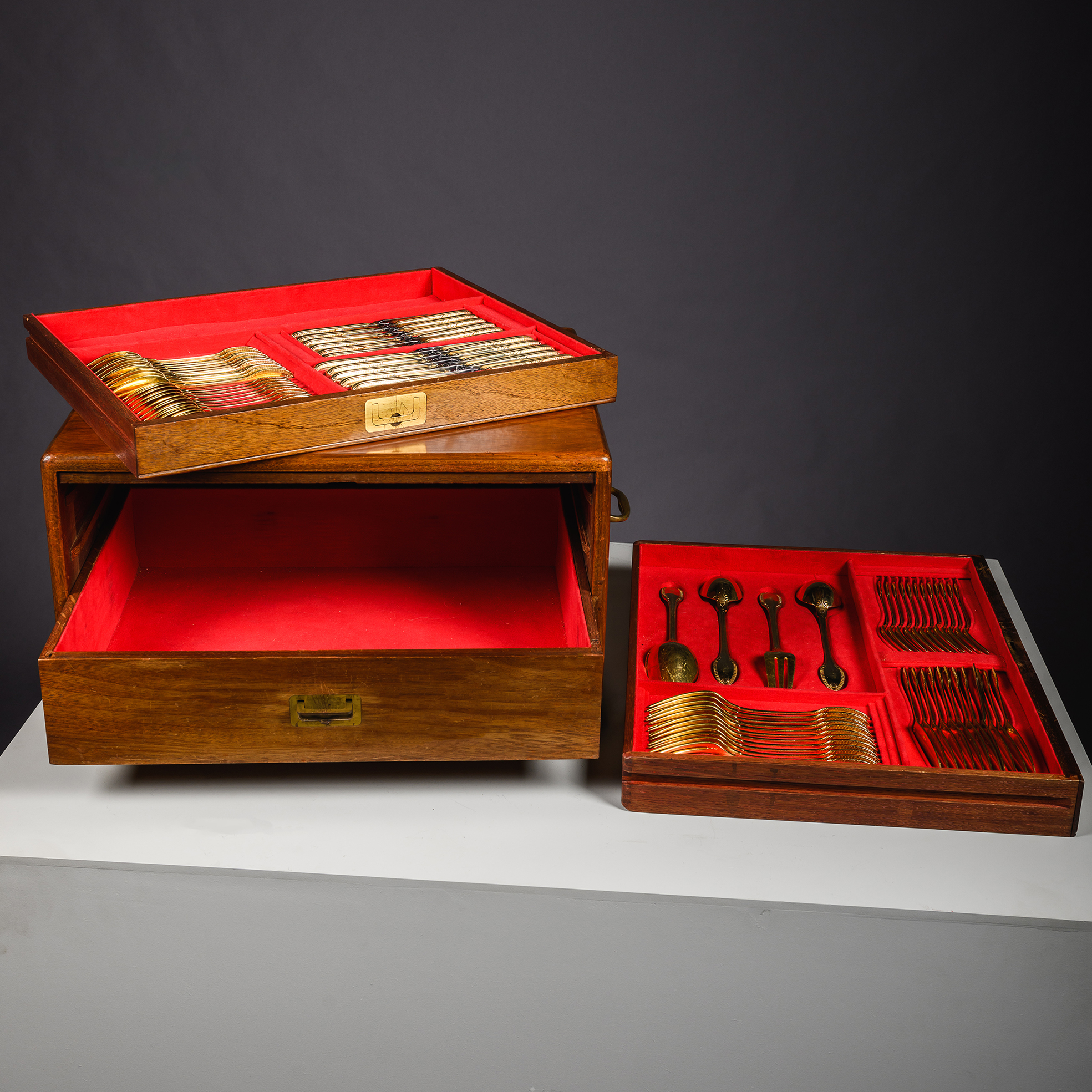
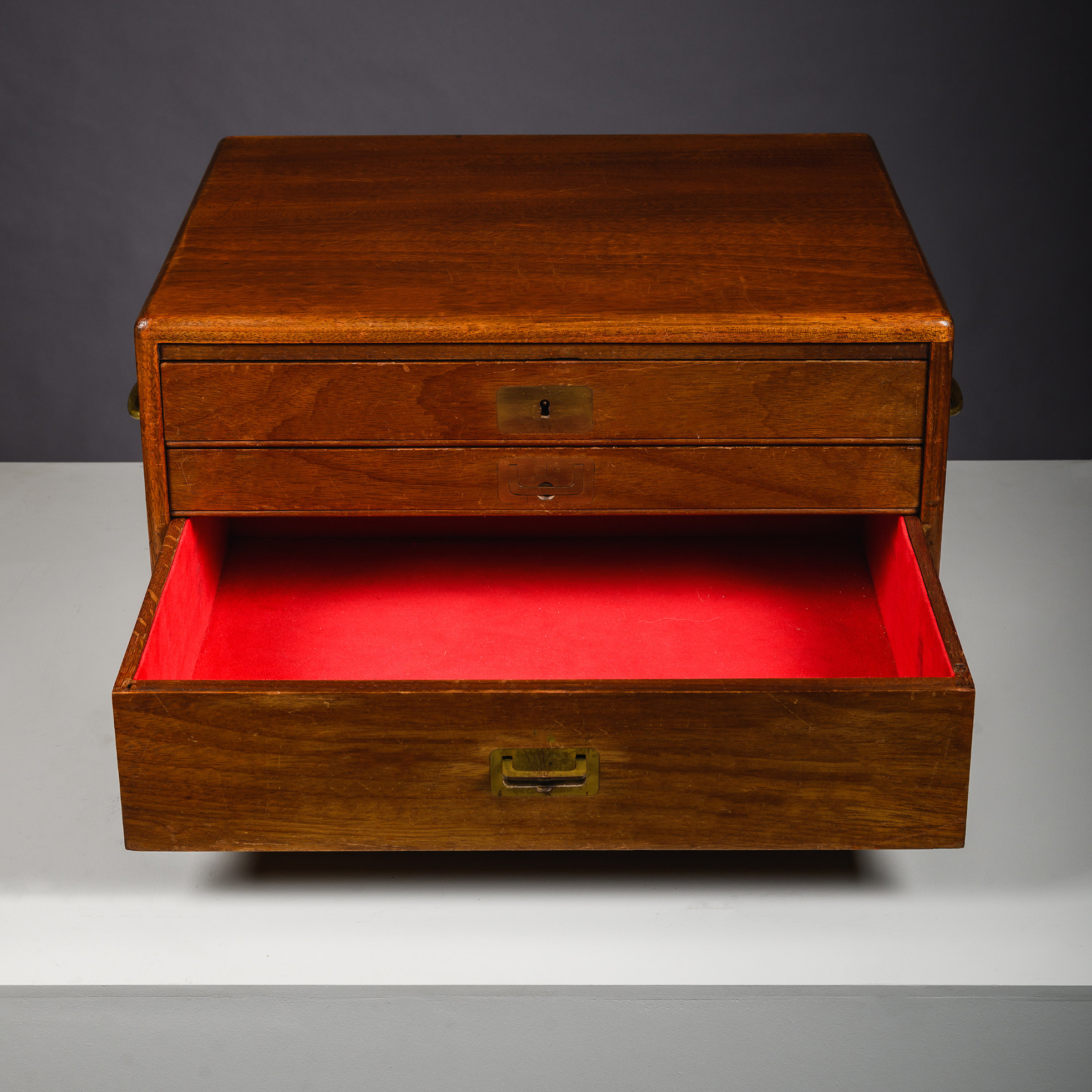
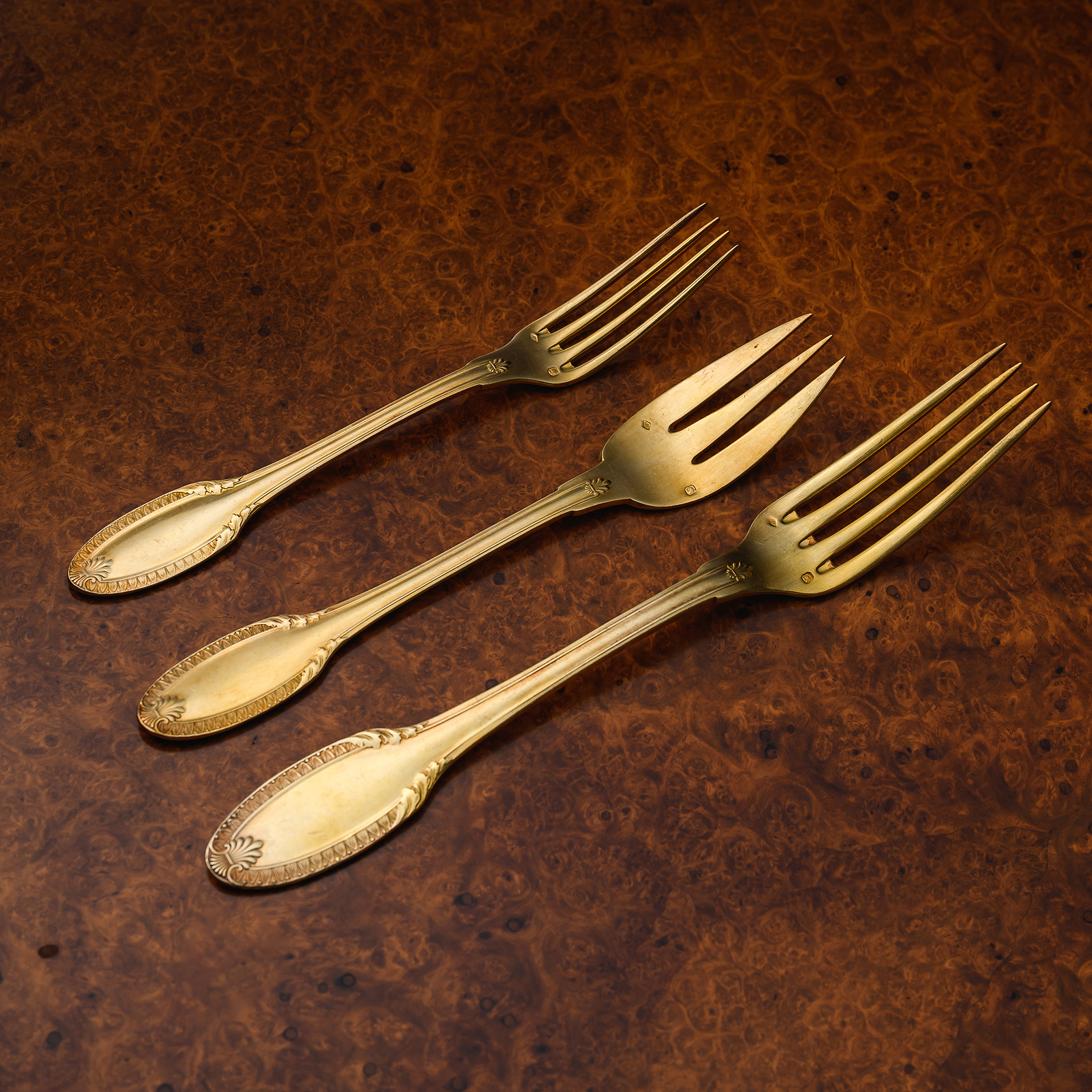
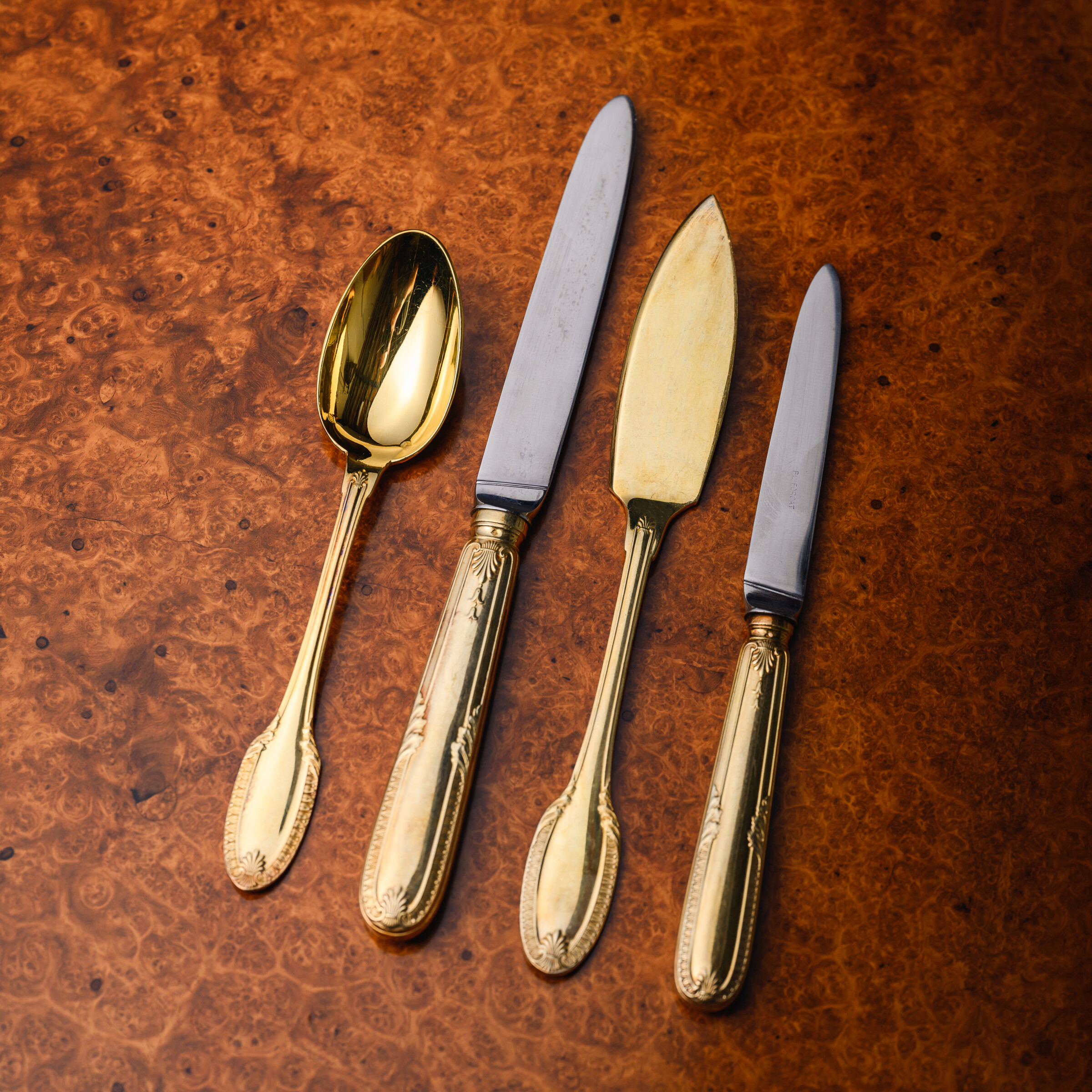
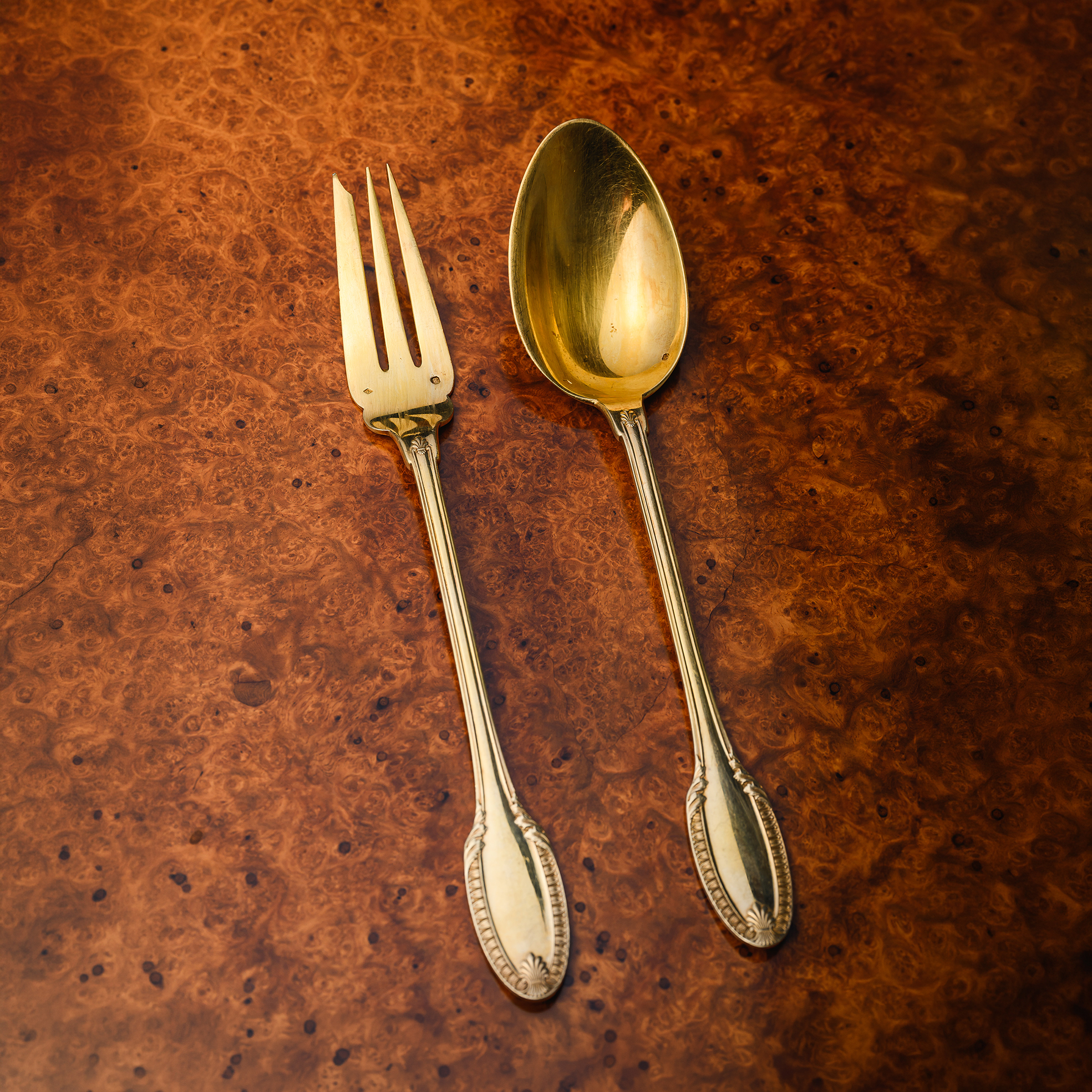
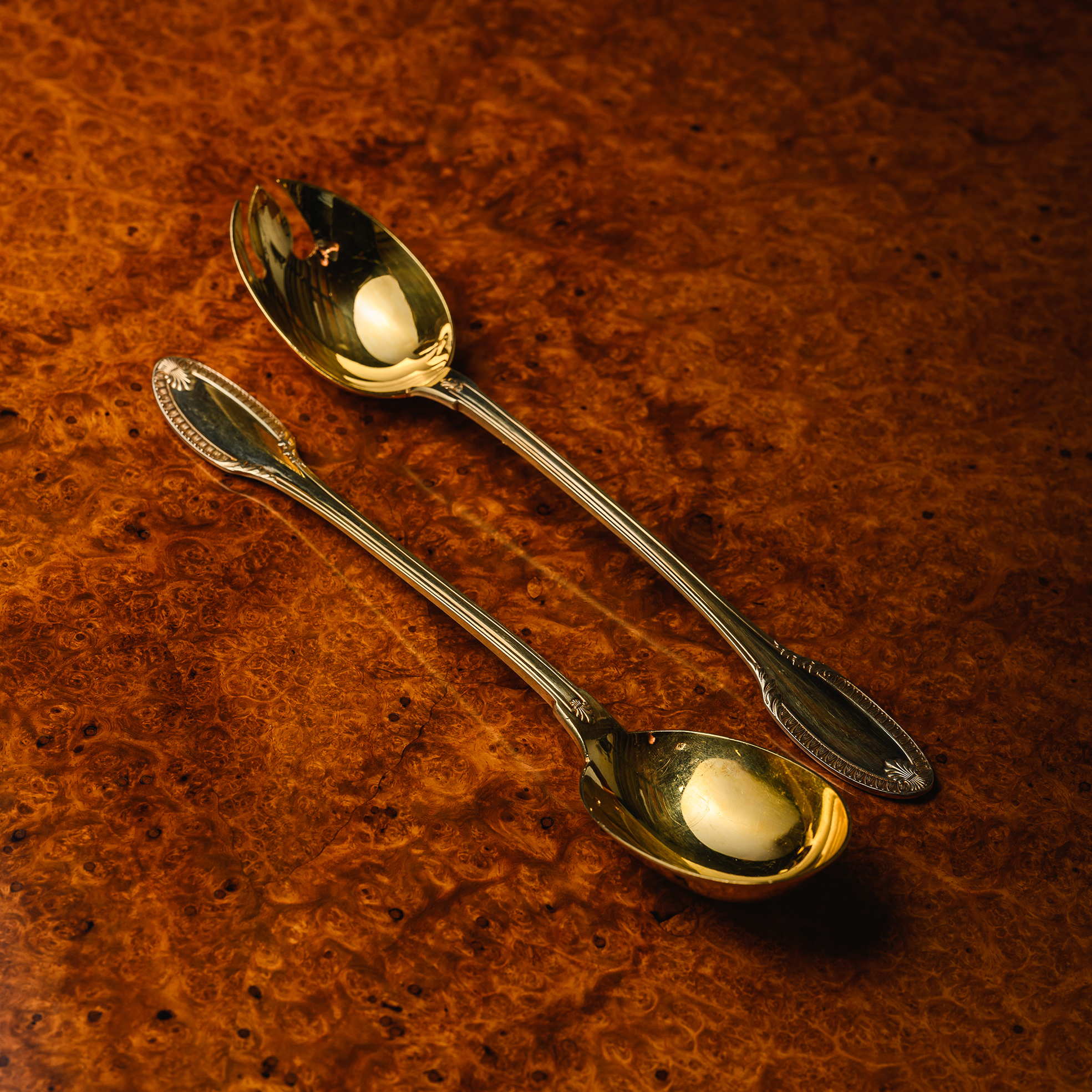
Executed in one of the firm’s most celebrated neoclassical designs, ‘Percier Pattern’, comprising twelve place settings in a fitted oak chest with three baise fitted drawers.
12 Table Forks, 12 Small Forks, 12 Cake Forks, 12 x Spoons, 12 X Table Knives, 12 x Small Knives, 12 x Fish Knives , 2 x Salad Servers, 1x Large Serving Fork, 1x Large Serving Spoon
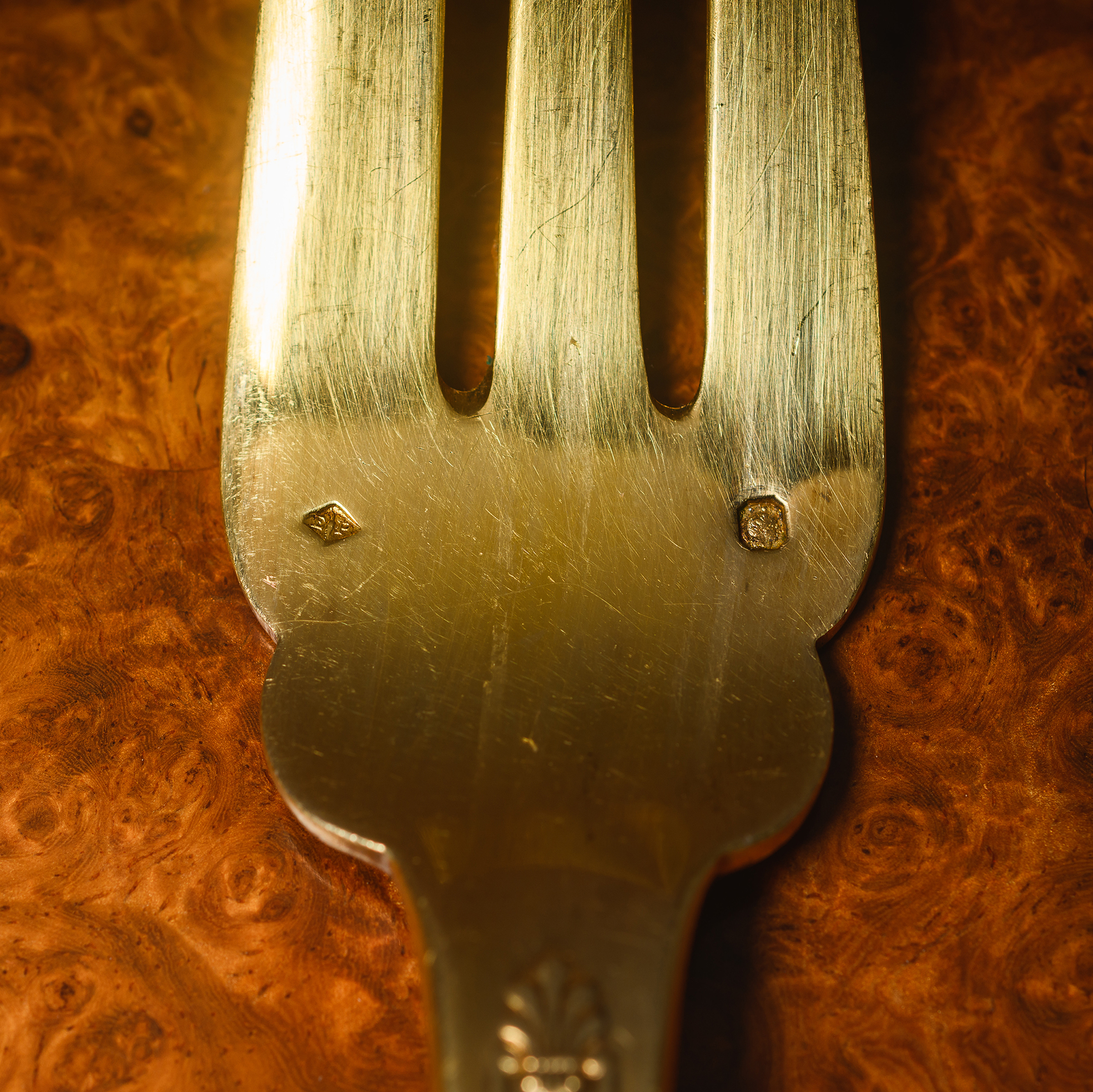
Each stamped with the Puiforcat hallmark of a penknife flanked by the initials ‘E P’ within a lozenge for Emile Puiforcat, the master silversmith who founded the Puiforcat cutlery workshop in the 19th century, and the regulatory ‘Tête de Minerve’ hallmark certifying .950 silver purity.
France, Circa 1920.
Date
Circa 1920
Origin
France
Medium
Silver Gilt
Signature
Hallmarked 'EP' for Puiforcat and ‘Tête de Minerve’ certifying .950 silver purity.
Maison Puiforcat is one of France’s most distinguished silversmithing houses, founded in Paris in 1820 and long associated with the highest standards of French orfèvrerie.
The firm’s origins lie in the Marais craft district, where Joseph-Baptiste Fuchs established a cutlery workshop producing finely made sterling silver and vermeil flatware, often inspired by the great decorative styles of previous centuries.
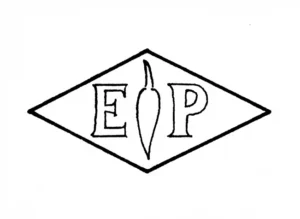 Fuchs was later joined by his nephew, Émile Puiforcat, who carried this early momentum forward expanding from fine cutlery into the production of luxury silver tableware. It was he who engraved the distinctive penknife hallmark between his initials, and in 1857 this device was formally adopted as the emblem of the Maison, a mark that would become synonymous with Puiforcat’s identity and enduring reputation for excellence.
By the late 19th and early 20th centuries, Puiforcat had established a reputation for exceptional quality and a refined historicist aesthetic, producing finely crafted pieces inspired by the Louis XVI and Empire styles. The house became particularly renowned for its technical precision, elegant design, and its ability to reinterpret classical French ornament for a modern clientele.
In the early 20th century, under the direction of Jean Puiforcat (1897–1945), the firm entered a new and defining phase. A trained silversmith and designer, he brought a distinctly modern vision to the house, combining architectural clarity with a rigorous neoclassical sensibility. Immersed in the wave of artistic change that characterised the period between the wars, he was one of the founders of the Union des artistes modernes in 1929, and was a friend of René Herbst, le Corbusier, Charlotte Perriand and Pierre Chareau. His work helped position Puiforcat at the forefront of both Art Deco design and 20th-century French silver.
Today, Puiforcat is recognised internationally for its heritage of exceptional craftsmanship and its pivotal role in shaping modern French silversmithing, bridging historic tradition with modern design excellence. The company was acquired by Hermès in 1993 and operates as the group’s Haute Orfèvrerie workshop.
Literature
René Herbst, Jean Puiforcat : Orfèvre Sculpteur , Paris, 1951.
Françoise de Bonneville, Jean Puiforcat, Paris, 1986.