



 My Wishlist
The Grand Tour: Exploring the Aristocratic Journey of Enlightenment.
In 1776, the playwright Samuel Johnson wrote: “A man who has not been to Italy is always conscious of an inferiority”.
The roots of the Grand Tour can be traced back to the 17th century when it became fashionable for young aristocrats to embark on an extended journey across Europe. The tradition gained momentum during the 18th century and reached its zenith in the 19th century. The availability of improved transportation networks, the relative peace across the continent, and the desire to expand one’s knowledge and cultural horizons all contributed to the popularity of the Grand Tour during this period.
Aristocrats sought to acquire a well-rounded education, which encompassed exposure to art, architecture, literature, music, languages, and social customs for many, the Tour was also seen as a rite of passage, signifying the transition from adolescence to adulthood.
The Grand Tour typically encompassed an itinerary that included major cultural centres across Europe. Rome, with its rich artistic and historical heritage, was a highlight for many travellers. Florence, Venice, Paris, Vienna, and Athens were also popular stops. Along the way, aristocrats visited museums, attended theatrical performances, indulged in the fine arts, and engaged in intellectual discourse. They often engaged a Cicerone (guide) to enhance their understanding of the places they visited.
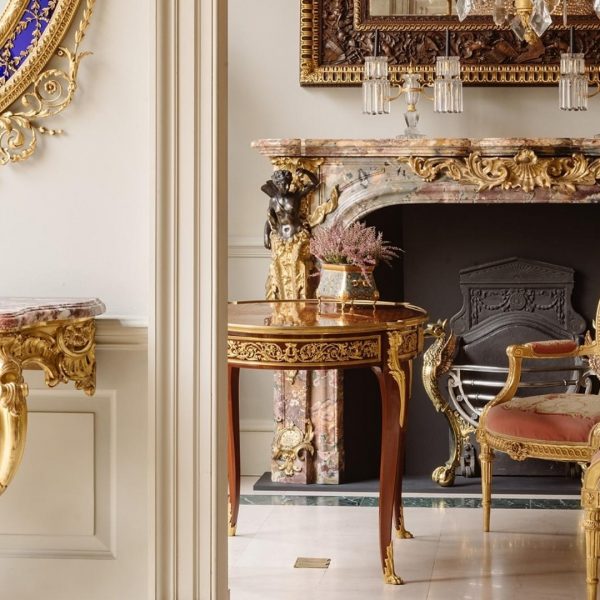
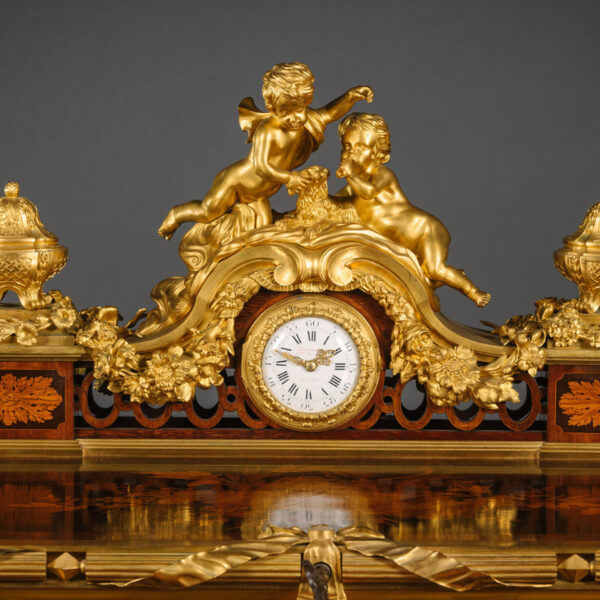
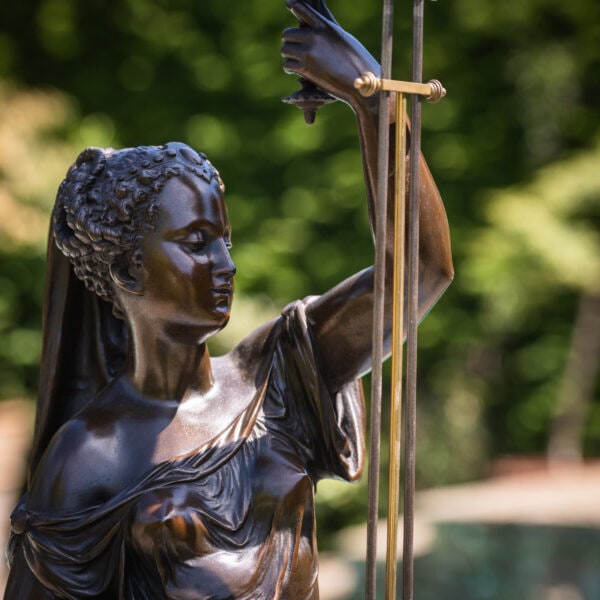
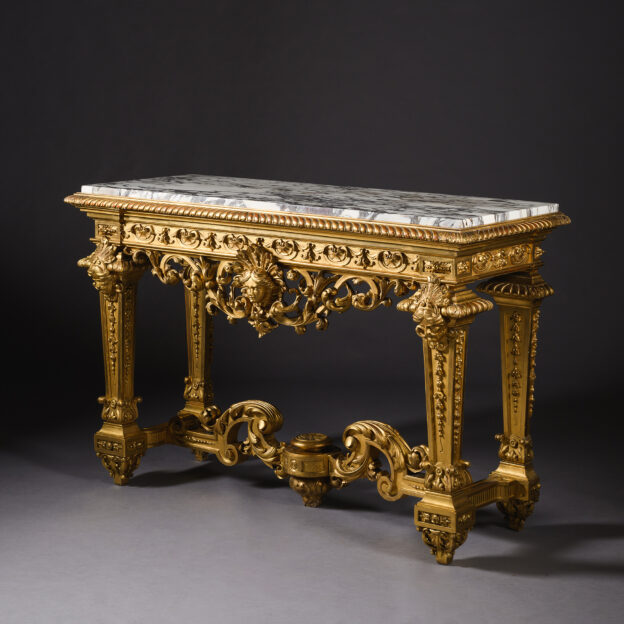
The so-called Grand Tour style refers to all items that these visitors collected from their trips, be it Italian furniture and decorative arts, with precious marbles, micromosaics, or pietra dura, ancient sculpture, or small charming souvenirs with plaques, gemstones and diverse features made to suit the English taste.
The impact of the Grand Tour on European society was profound and far-reaching. The Tour influenced art, architecture, literature contributing to the rise of Neoclassicism as an artistic movement, as aristocrats sought to emulate the classical aesthetics they encountered during their travels. The knowledge gained and the exposure to different cultures broadened the intellectual horizons of the aristocracy, leading to the Enlightenment era.