“Linke was celebrated by his contemporaries, particularly following his triumph at the Exposition Universelle of 1900, yet today his work continues to reveal new dimensions of creativity, craftsmanship and innovation. I am immensely proud that this exceptional table has entered the permanent collection of the Musée des Arts Décoratifs, where it will stand alongside the finest achievements of French decorative arts and allow future generations to appreciate the brilliance of François Linke and the enduring legacy of the Belle Époque.”
Adrian Alan
Founder Adrian Alan Ltd
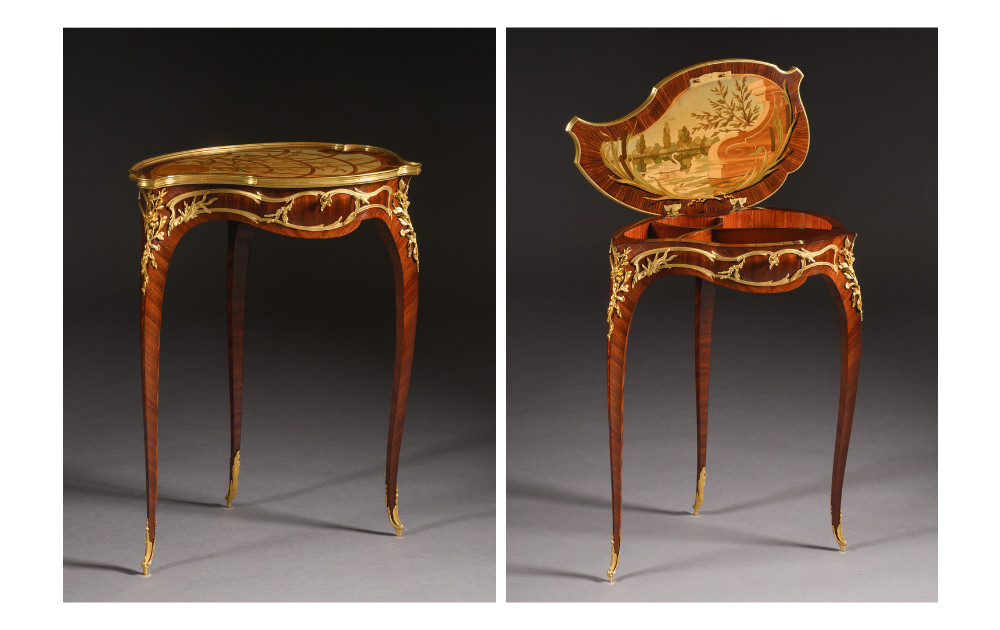
Crafted in Paris around 1900, the shell-shaped work table is widely regarded as the fullest expression of what scholars have come to call ‘Le Style Linke‘, Linke’s unique synthesis of the elegance of the Louis XV period with the fluid naturalism of the emerging Art Nouveau movement. Every element demonstrates his remarkable ability to reinterpret historical forms with originality, vitality and unrivalled craftsmanship.
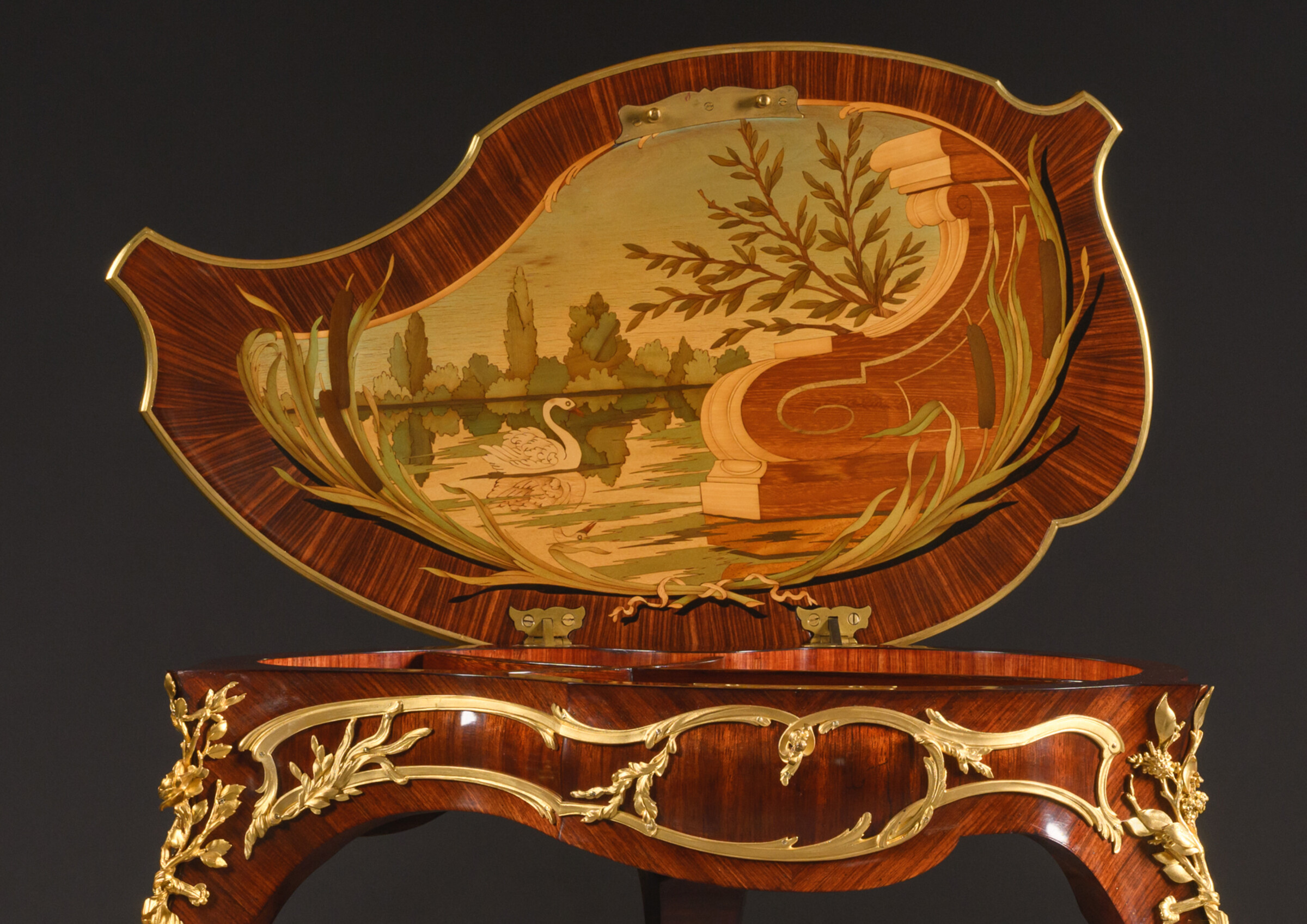
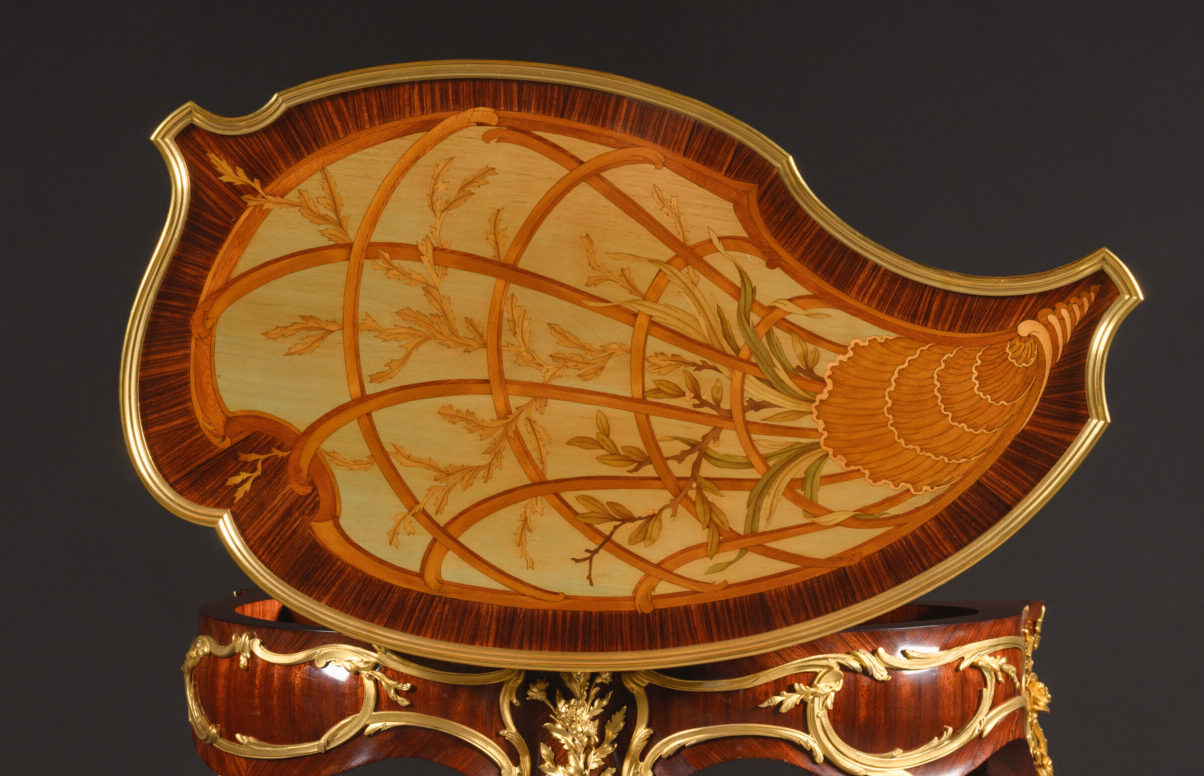
At first glance, the sculptural silhouette captivates. The shell-form top is veneered with brilliantly coloured marquetry depicting a fantastical composition of trelliswork, scrolling acanthus, seaweed and laurel issuing from a central shell. Yet the true delight is revealed when the lid is opened. Inside lies one of the most celebrated marquetry panels in French decorative arts: a tranquil lakeside landscape where a solitary swan glides across still waters, framed by bulrushes and delicate foliage. Contemporary critics were enchanted. Writing after the 1900 Paris Exposition Universelle, Charles Dambreuse described the table as:
“A pure marvel… it is not enough merely to look at it; open it and you will discover an adorable work of marquetry—a swan whose noble whiteness floats upon one of those melancholy and beautiful lakes that once adorned the great parks.”
More than a century later, that sense of wonder remains undiminished.
The Ultimate Expression of Linke’s Art
For collectors and scholars alike, Index No. 554 represents one of Linke’s defining achievements. Christopher Payne, whose research remains the authoritative study of the maker, documents the extraordinary level of craftsmanship involved in producing the marquetry. Archive records reveal that the marquetry cutters, either Monsieur Fauchon or Béranger, were responsible for executing the intricate veneers, with Linke himself negotiating the considerable cost. Remarkably, the marquetry alone cost more than twice the cabinetmaking itself, underlining the exceptional importance placed upon this decorative tour de force.
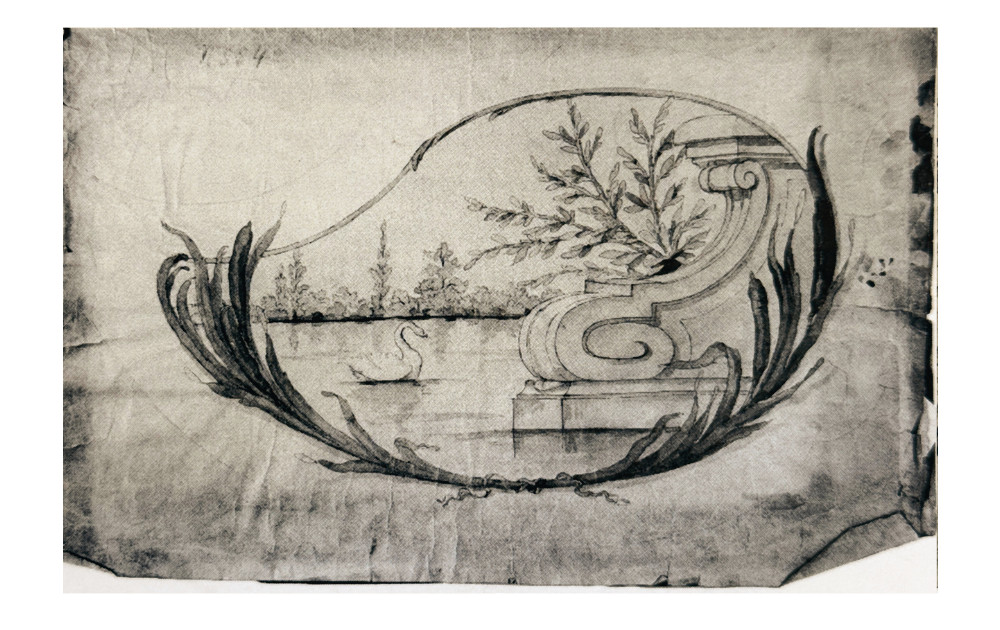
An ink outline or piqué of the marquetry on the outer lid of table and a watercolour designed for the inner lid. The original marquetry plans were found on a visit to the workshops of the Sociéte de Marqueterie Lacroix-Marrec (courtesy Christopher Payne / Linke Archive).
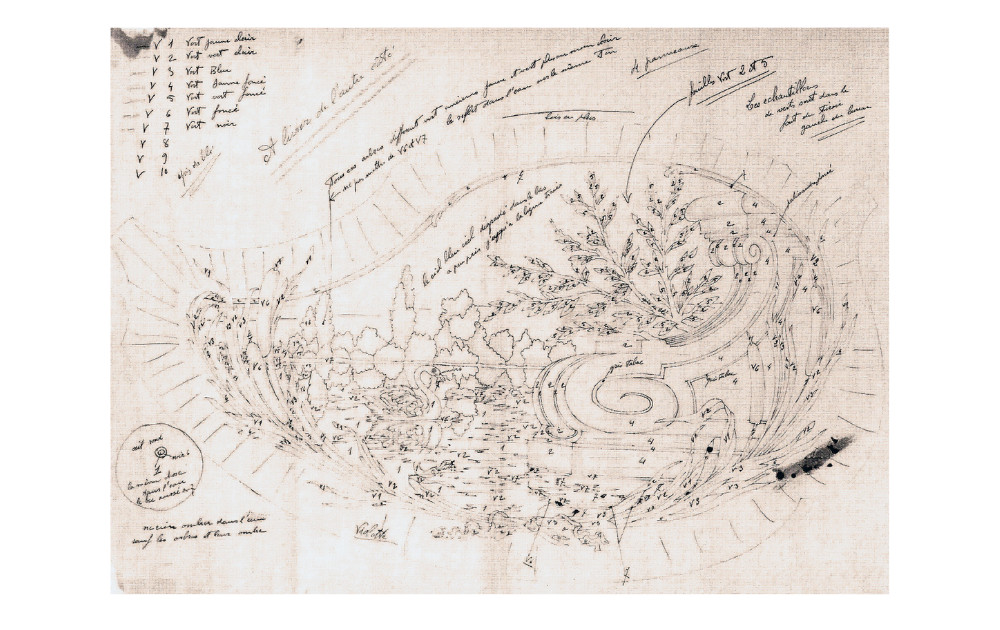
The marquetry-cutter’s plan for the inside of the lid which details that seven colours of green were available, on a holly ground, instructions that the water should be shaded with the shadows of the trees, and even for the swan’s eye (in holly surrounded by ebony). (courtesy Christopher Payne / Linke Archive).
The interior construction is equally refined. Beneath the hinged lid, bentwood divisions create elegantly proportioned compartments, while the bombé sides are framed with finely chased gilt-bronze mounts supported on graceful cabriole legs.
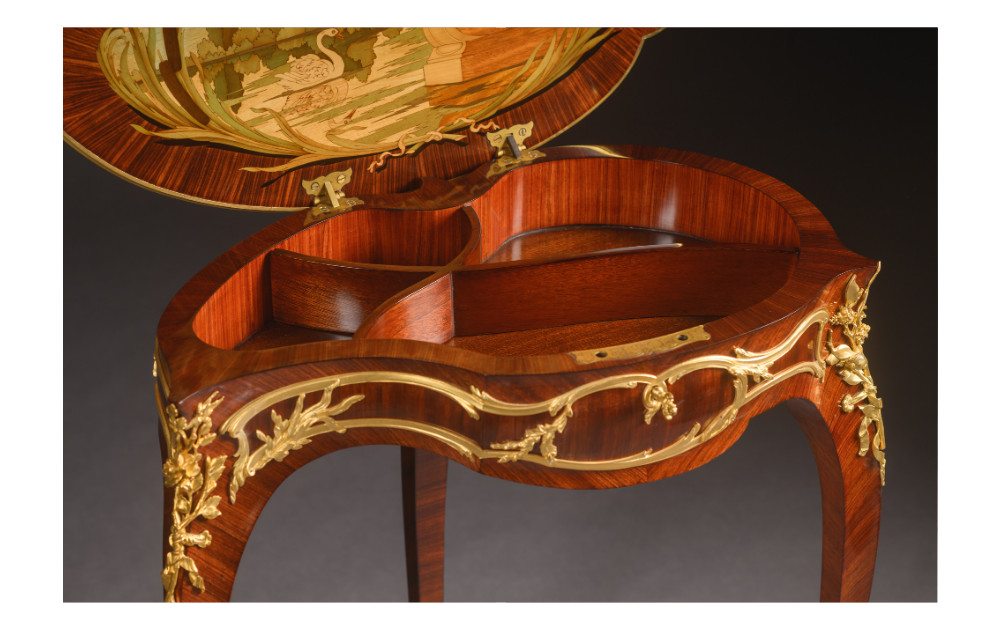
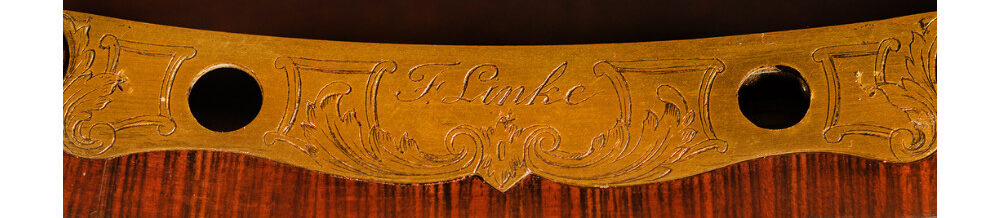
Signed to both the gilt-bronze mount and lockplate, and retaining numerous workshop marks, the table is a remarkable survival from Linke’s celebrated atelier.
A Rare and Historic Example
Although several examples of Index No. 554 are known, each differs subtly in detail. The present table possesses a feature of exceptional significance.
Rather than the familiar shell-shaped gilt-bronze clasps found on virtually every documented example, its legs are mounted with exquisitely modelled ribbon-tied floral bouquets, each composed of a different arrangement of flowers. These extraordinarily complex mounts appear only on the very first illustrated example of the model, published in Charles Dambreuse’s account of the 1900 Exposition Universelle.
This remarkable correspondence raises the exciting possibility that this may in fact be the very table exhibited by François Linke at the Paris Exposition Universelle of 1900, where his stand earned international acclaim and secured the Gold Medal that established his reputation as the foremost ébéniste of the Belle Époque.
If so, it is not simply an outstanding example of Linke’s work, it is a surviving witness to one of the defining moments in the history of French decorative arts.
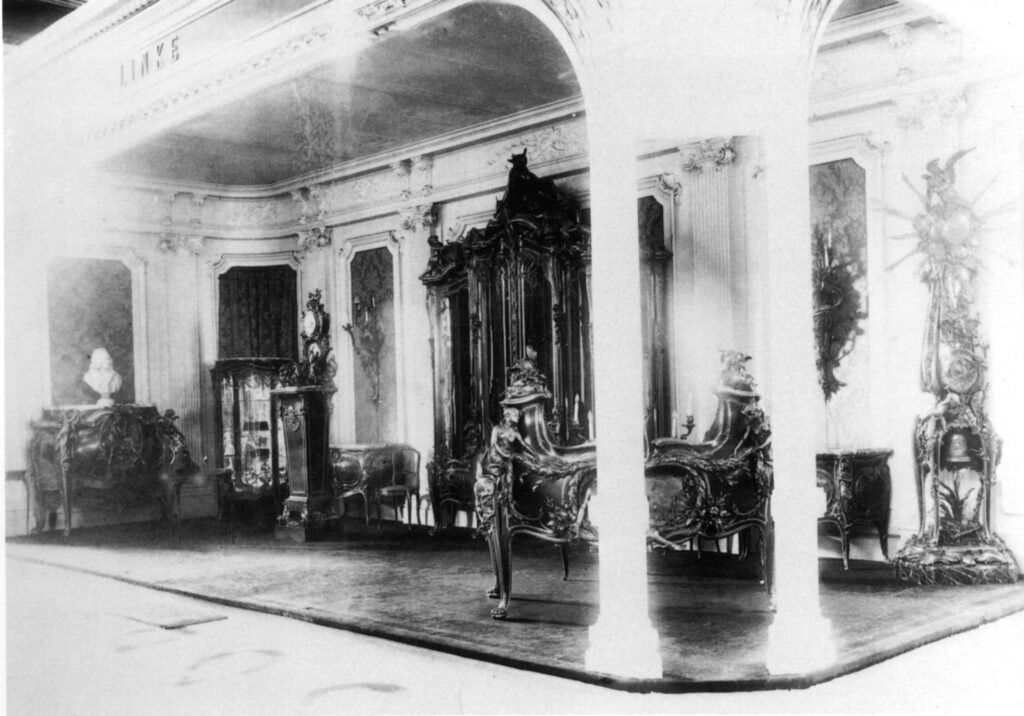
Linke’s award winning stand at the
1900 Paris Exposition Universelle
From TEFAF Maastricht to the Musée des Arts Décoratifs
After remaining for many years in a distinguished private collection in Basel, Switzerland, the table was acquired by Adrian Alan Ltd and presented at TEFAF Maastricht 2026, the world’s leading fair for fine art, antiques and design. There it was seen by collectors, curators and museum professionals from around the world, providing the ideal stage for one of François Linke’s greatest masterpieces.
Its presentation at TEFAF culminated in its acquisition by the Musée des Arts Décoratifs, Paris, where it will now join one of the world’s foremost collections of French decorative arts. The acquisition represents far more than the sale of an exceptional object; it is an important recognition of François Linke’s enduring place amongst the greatest cabinetmakers of the Belle Époque and ensures that one of his defining creations will be preserved, studied and appreciated by future generations.
“Long overlooked in art history, Neo-Rococo furniture—which nevertheless dominated French interiors from the 1880s to the early 1910s—is virtually absent from national collections. These pieces, with their flowing lines and combining the perfection of marquetry with gilded bronze, demonstrate that the craftsmen of the turn of the 20th century were as talented as their 18th-century counterparts, to whom they both looked up and measured themselves against. Failing to include them in the permanent exhibition thus erases a significant part of the history of French decorative arts and deprives visitors of an understanding of one of the key developments that led artists to Art Nouveau. Alongside ‘Japonisme’, the plant-inspired lines of the Rocaille style were a major influence in France, culminating in the sinuous forms of Art Nouveau. I am delighted that ‘Table à Ouvrage, Coquille’ by François Linke has entered the permanent collection of the Musée des Arts Décoratifs and I look forward to showcasing it to visitors.”
Audrey Gay-Mazuel, Conservateur du patrimoine
Collections XIXe-Art nouveau, Département des collections historiques
Musée des Arts décoratifs
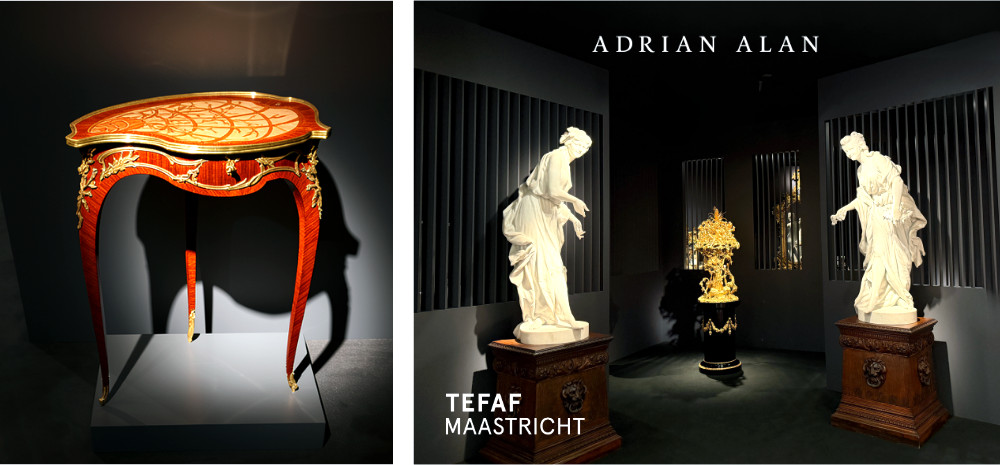
Moments such as this demonstrate the unique importance of TEFAF and its remarkable ability to bring together museum-quality works with the world’s leading collectors and institutions. The opportunity to present exceptional objects within such a scholarly environment is one of the qualities that makes the fair so significant.
For Adrian Alan Ltd, it has been a privilege to play a part in this journey. The gallery has long been committed to the rediscovery, research and placement of historically important works of art, and there are few greater rewards than seeing an object of this significance enter a major public collection. We are especially grateful to Giles Forster, whose research, scholarship and expertise were instrumental in bringing this remarkable work back to public attention and ultimately securing its place within the Musée des Arts Décoratifs.
Today, the Table à Ouvrage, Coquille stands not only as one of François Linke’s most celebrated creations, but also as a defining masterpiece of the Belle Époque, an exceptional union of sculpture, marquetry, bronze casting and cabinetmaking whose artistry remains as captivating today as when it first astonished visitors to the Paris Exposition Universelle of 1900.
James Graham
Adrian Alan Ltd
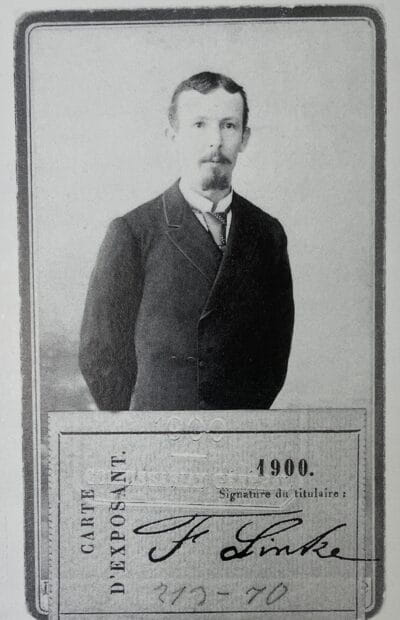
François Linke (1855-1946)
François Linke was the most celebrated ébéniste of the late 19th and early 20th-century Belle Époque period. His furniture is highly prized for its exceptional craftsmanship and refined design. Like many of his contemporaries, Linke produced pieces reviving the French historical styles of Louis XIV, Louis XV, and Louis XVI. However, he also pioneered entirely new designs in collaboration with the sculptor Léon Messagé. Described as Le Style Linke, these creations blend Rococo exuberance with the fluidity of Art Nouveau and were unveiled to great acclaim at the 1900 Paris International Exhibition.
View Available Items by François Linke

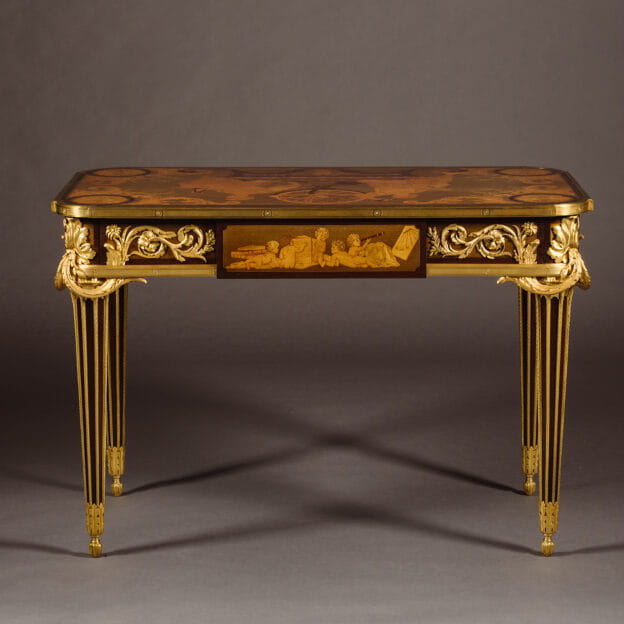
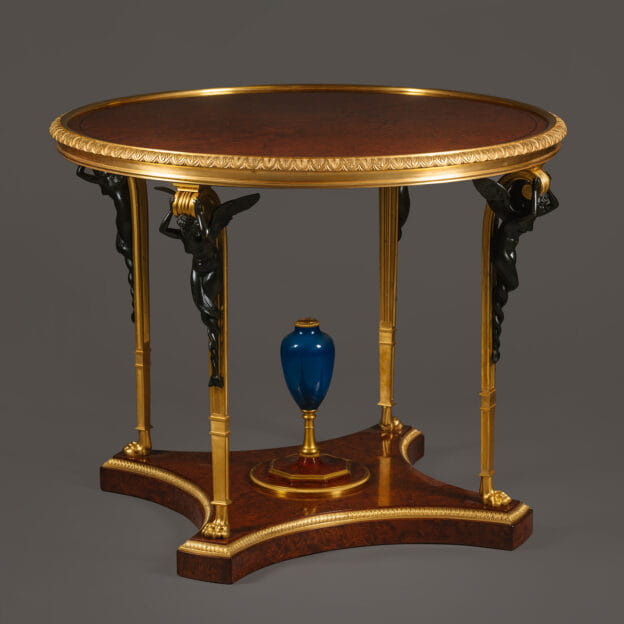
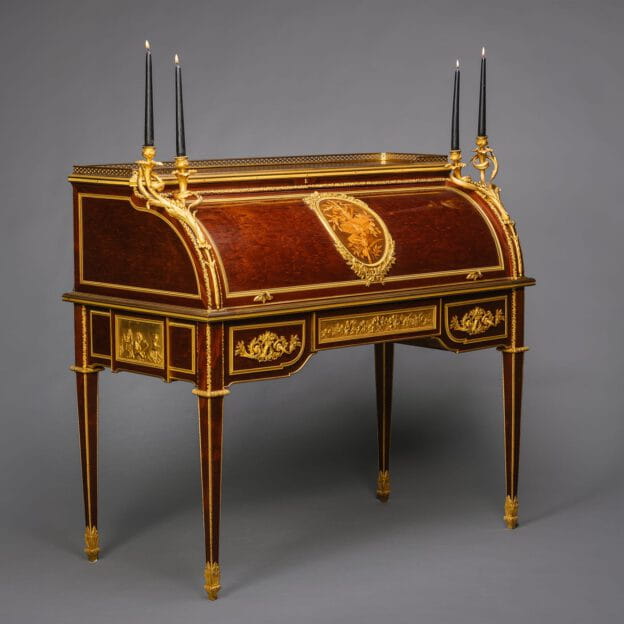
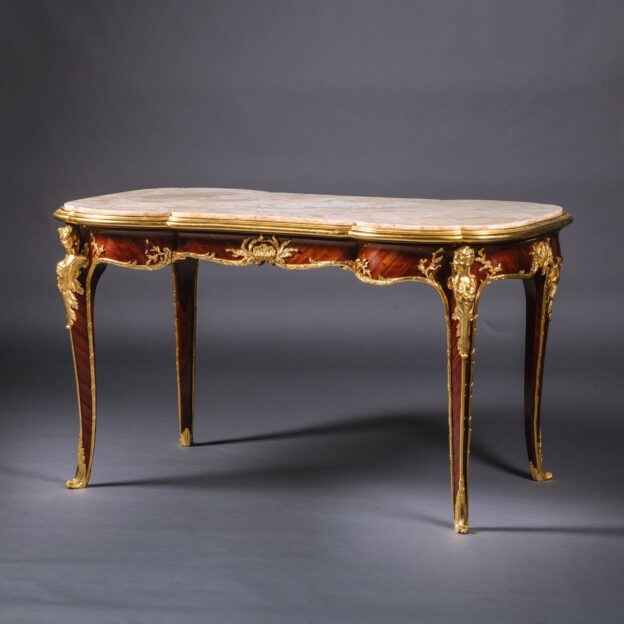
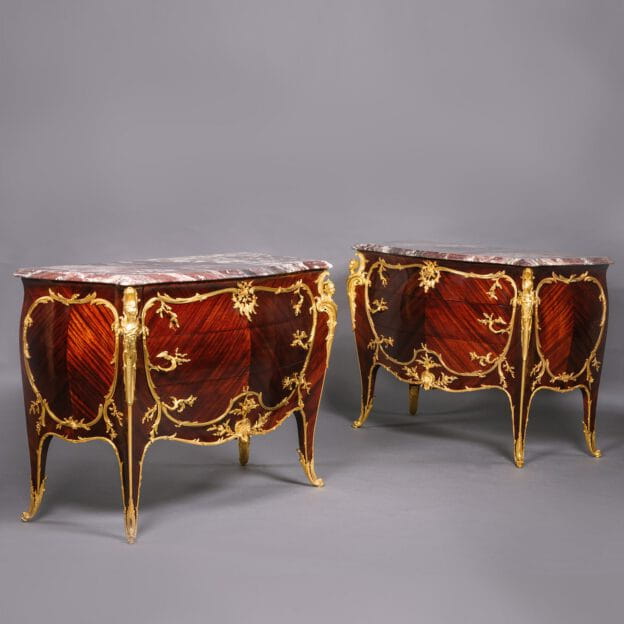
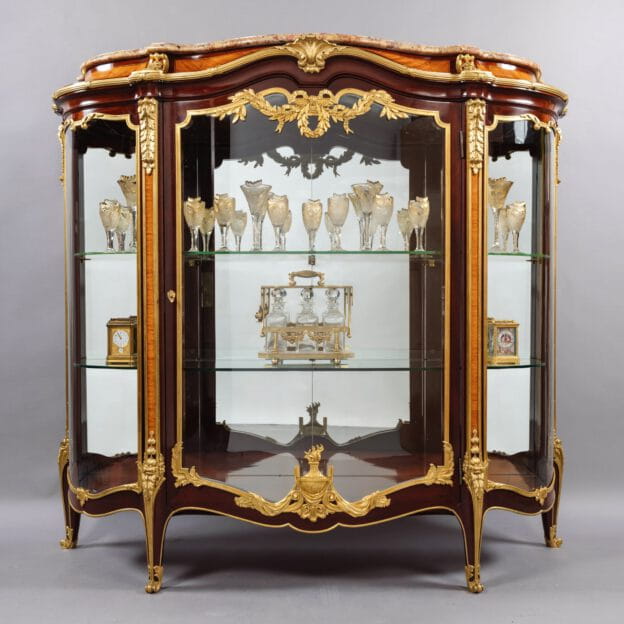
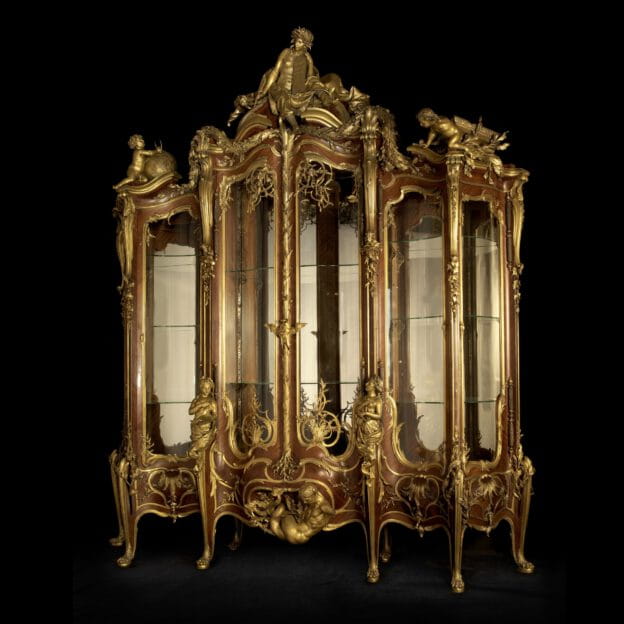
‘La Grande Bibliothèque’ – A Highly Important Sculptural Vitrine Cabinet For the Paris Exposition Universelle of 1900
POA
VIEW ITEM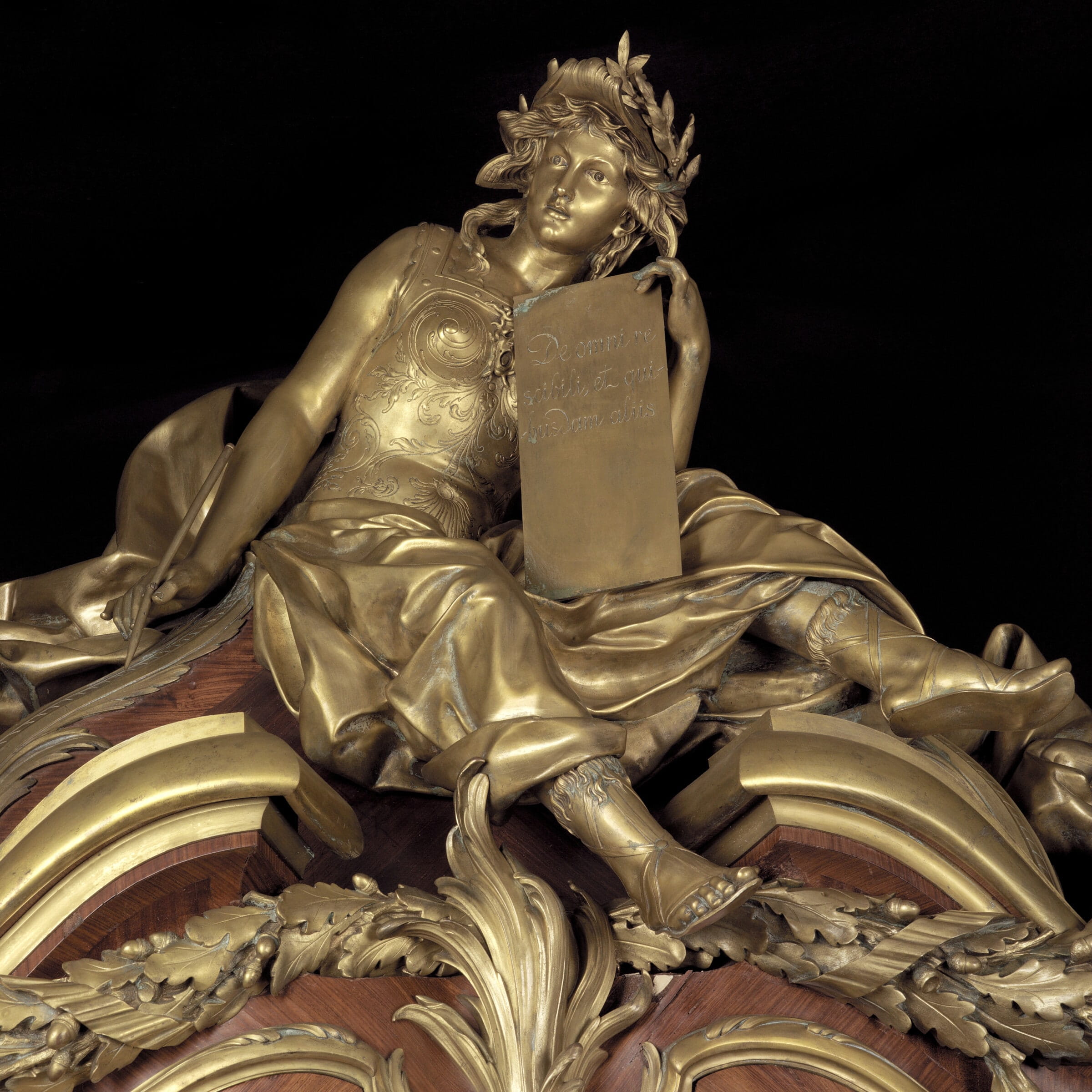
Further Reading
Payne, Christopher, François Linke 1855-1946: The Belle Epoque of French Furniture, Antique Collectors’ Club, (Woodbridge, UK), 2003.
Payne, Christopher, Paris Furniture – the luxury market of the 19th century, Éditions Monelle Hayot (Paris), 2018; pp. 436-456.
Ledoux – Lebard, Denise, Les Ébénistes du XIXe siècle, Les Editions de L’Amateur, (Paris), 1984; pp. 440-444.
Meyer, Jonathan, Great Exhibitions – London, New York, Paris, Philadelphia, 1851-1900, Antique Collectors’ Club, (Woodbridge, UK), 2006.
Mestdagh, Camille & Lécoules, Pierre, L’Ameublement d’Art Français, 1850-1900, Les Editions de L’Amateur, (Paris), 2010.