 Ref no: B75863
Konigliche Porzellan-Manufaktur (KPM)
‘Clementine’ – A Large Berlin (KPM) Porcelain Plaque After Conrad Kiesel
German, Circa 1890
£18,000
- Date
- Circa 1890
- Origin
- German
- Medium
- Porcelain
- Signature
- Inscribed 'nach C. Kiesel' | impressed sceptre mark | 'KPM' | numerals 315 | 225 | incised numeral 4.
- Height
- 63 cm (25 in)
- Width
- 56 cm (23 in)
- Depth
- 5 cm (2 in)
Description
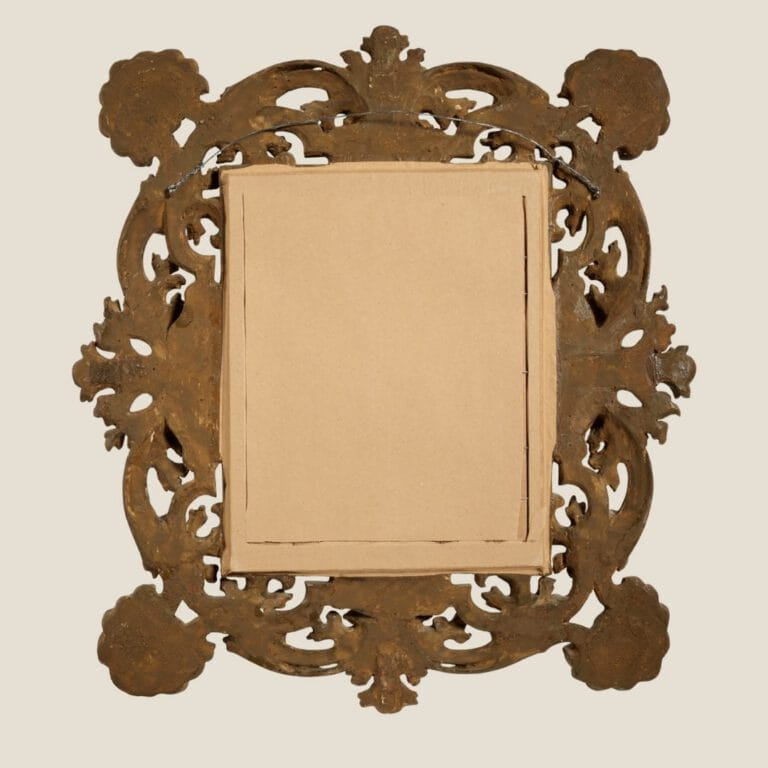
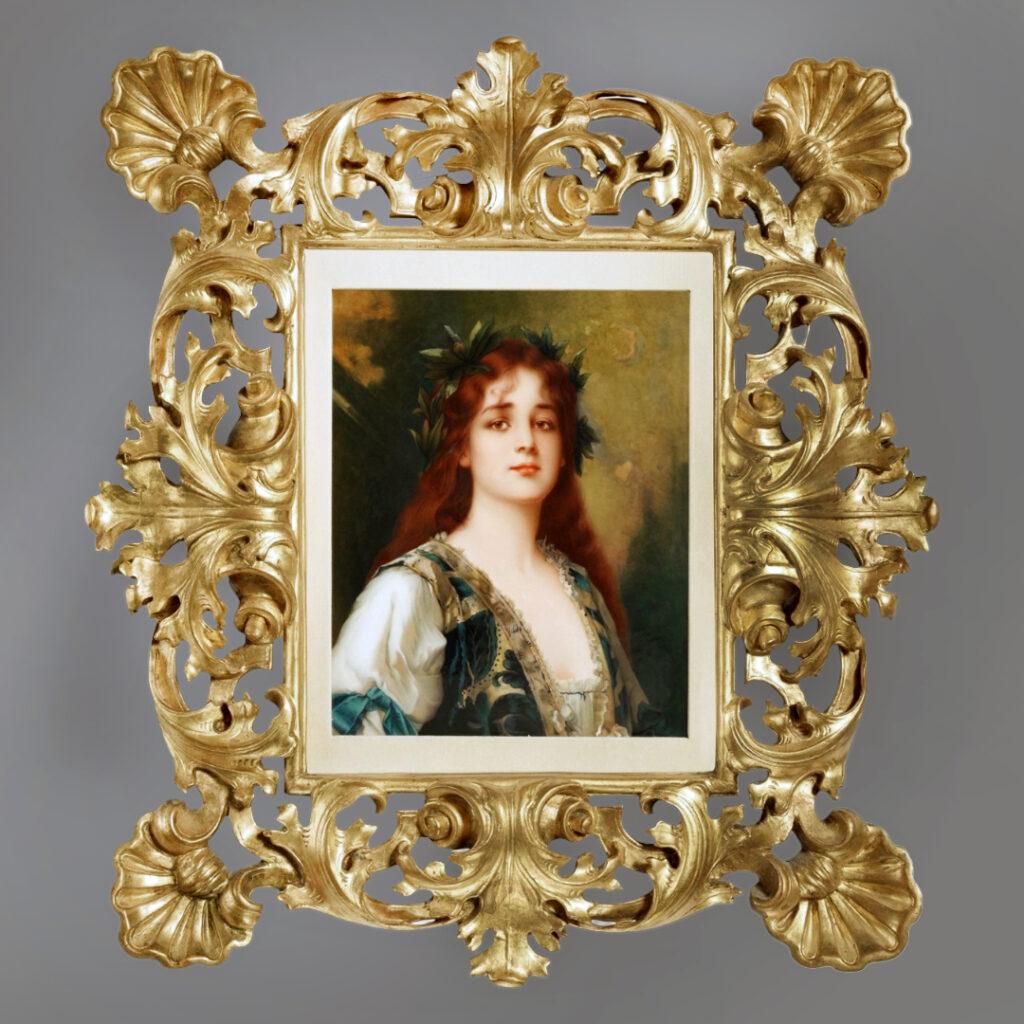
‘Clementine’, A Large Berlin (KPM) Porcelain Plaque After Conrad Kiesel. In a fine pierced giltwood and composition frame.
Inscribed ‘nach C. Kiesel’, impressed sceptre mark, ‘KPM’, numerals 315, 225, incised numeral 4.
This fine porcelain plaque depicts an auburn beauty adorned with a crown of clementine leaves after the painting by Prof. Conrad Kiesel (1846-1921). The present subject, ‘Clementine’, is possibly based on a role played by the famous 19th century actress Marie Dolores Eliza Rosanna Gilbert (1818-1861), also known as ‘Lola Montez, the Spanish dancer.’
Dimensions of plaque
Height: 32.5 cm | 24 3/4 inches
Width: 26.8 cm | 10 1/2 inches

Konigliche Porzellan-Manufaktur (KPM)
Founded in Berlin in 1750 ‚‘KPM‚’ or ‘Koenigliche Porzellan-Manufaktur’ acquired its name and Royal patronage when the Prussian king, Frederick the Great, purchased the manufactory in 1760.
Its distinguished trademark from then on became the royal blue sceptre, which is stamped (painted prior to 1837) on every piece. All painted pieces produced by KPM are signed by the painter.
The complicated and exacting process of painting on porcelain became very popular in the mid to late nineteenth century. Drawing inspiration from old master portraits and genre scenes, artists were able to achieve incredible images embued with a luminous beauty through the translucent quality of the porcelain.
KPM porcelain represented the height of technical and artistic achievement during this period and large plaques particularly signed examples have become rare and highly sought after.